
Private Owners of Historic Homes – Grant Information in Alberta
Character Home Window and Door Restoration
Character Home Window Restoration and Character Home Door Restoration need a repair-first approach that respects original materials, old-growth wood, breathable assemblies, and Alberta weather. Character homes often have windows and doors that can be restored, adjusted, weatherstripped, or replicated before replacement is considered.
Many heritage homeowners feel unsure:
- Should I repair or replace?
- Why are my windows causing drafts after upgrades?
- Why does modern advice not seem to work for my home?
- Are my original windows worth restoring or should they be replaced?
Why Restoring Vintage Windows Is Often Better Than Replacing Them
- Why is my historic home feeling colder even after improvements?
For broader heritage scope, see our heritage building restoration Edmonton page. For conservation context, the Historic Places Canada Standards and Guidelines explain why repair, conservation, and compatible replacement matter.
We are here to help you understand your options clearly, so you can make the right decisions for your historic home.
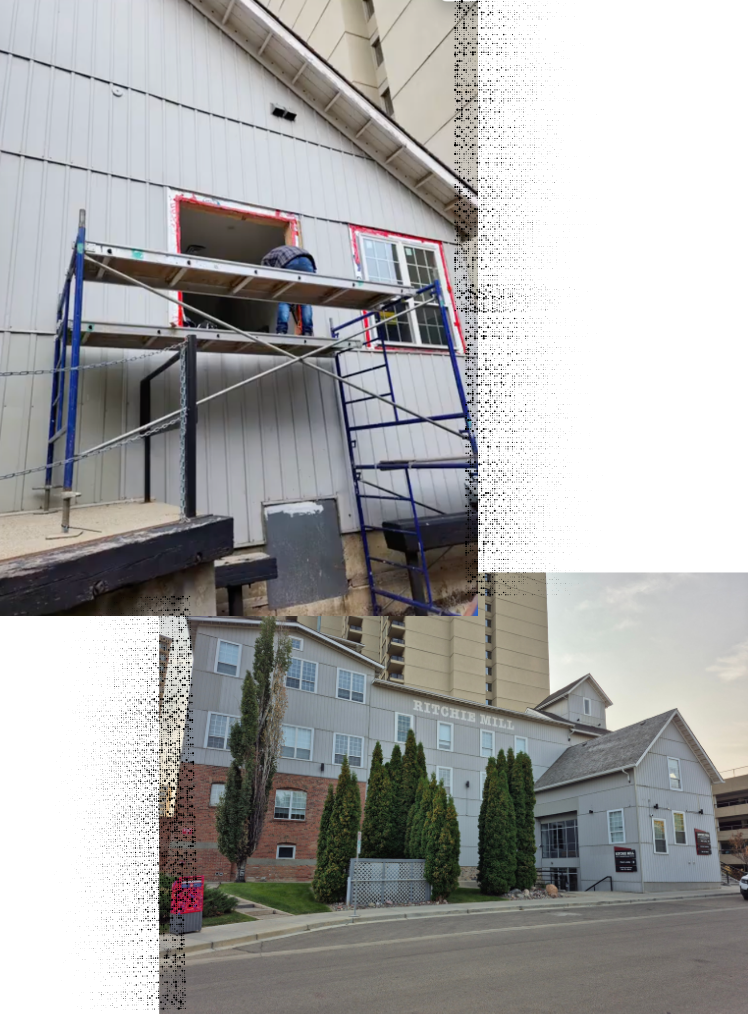
Inspired by Edmonton’s Historic Landmarks
Perma Seal’s approach to character home restoration is guided by the same conservation principles used on some of Edmonton’s most recognizable historic buildings. Projects involving landmarks such as Garneau Theatre, Ritchie Mill, McLeod Building, Street Railway Substation No. 600, and Pendennis Hotel showcase the importance of preserving original sash windows, historic wood frames, period glass, and architectural woodwork. Whether restoring a recognized landmark or a century-old family home, our focus remains the same protecting historic character while extending the life of original building materials.
Understanding Historic Homes in Alberta
Historic homes are not like modern houses. They were built to breathe, move, and adapt to Alberta’s climate.
To know more readd this blog: Why Historic Restoration Matters: Bringing New Life to Edmonton’s Timeless Homes
What works in newer homes often fails in older ones.
Common Issues We See in Historic Homes
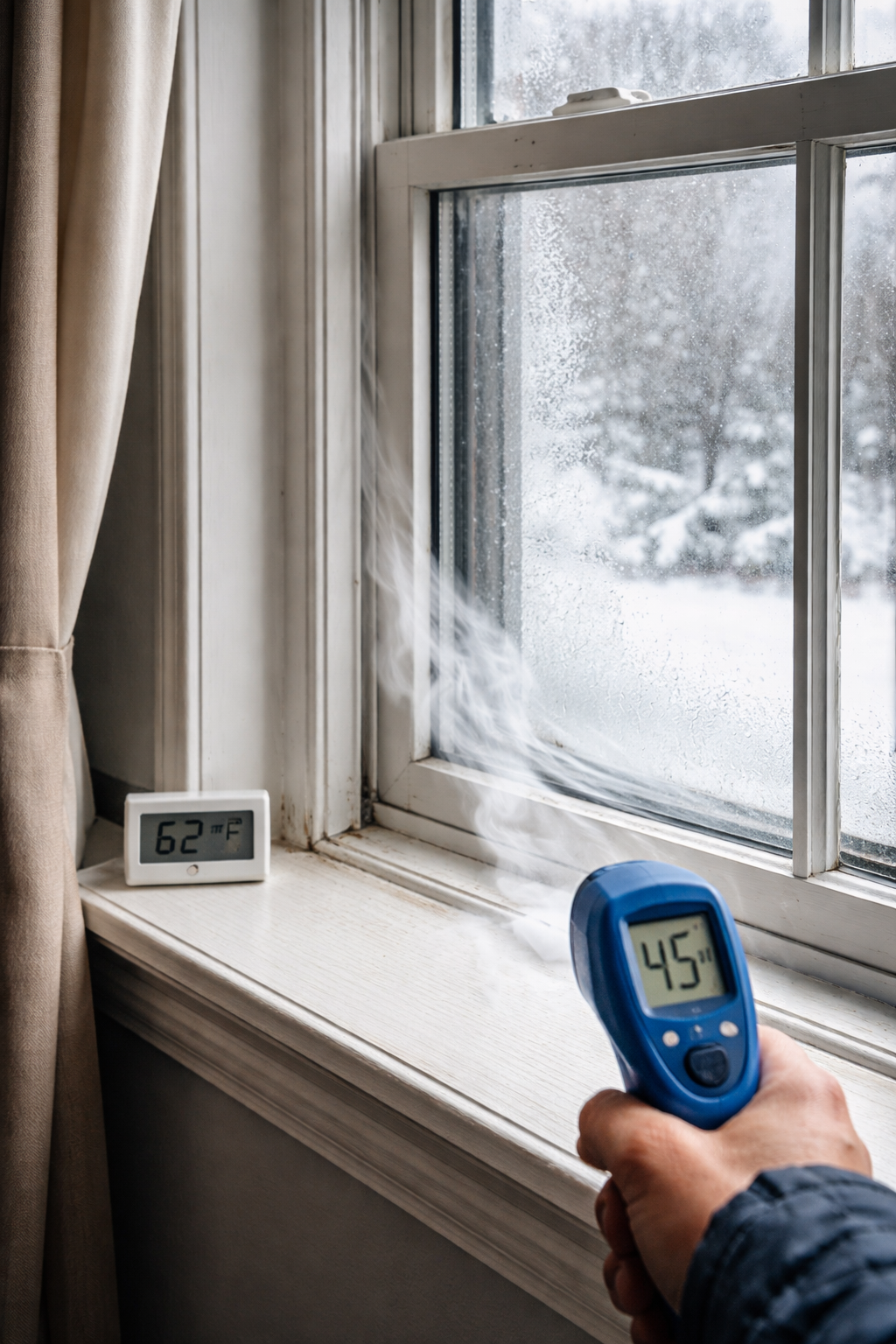
Drafts after “upgrades”
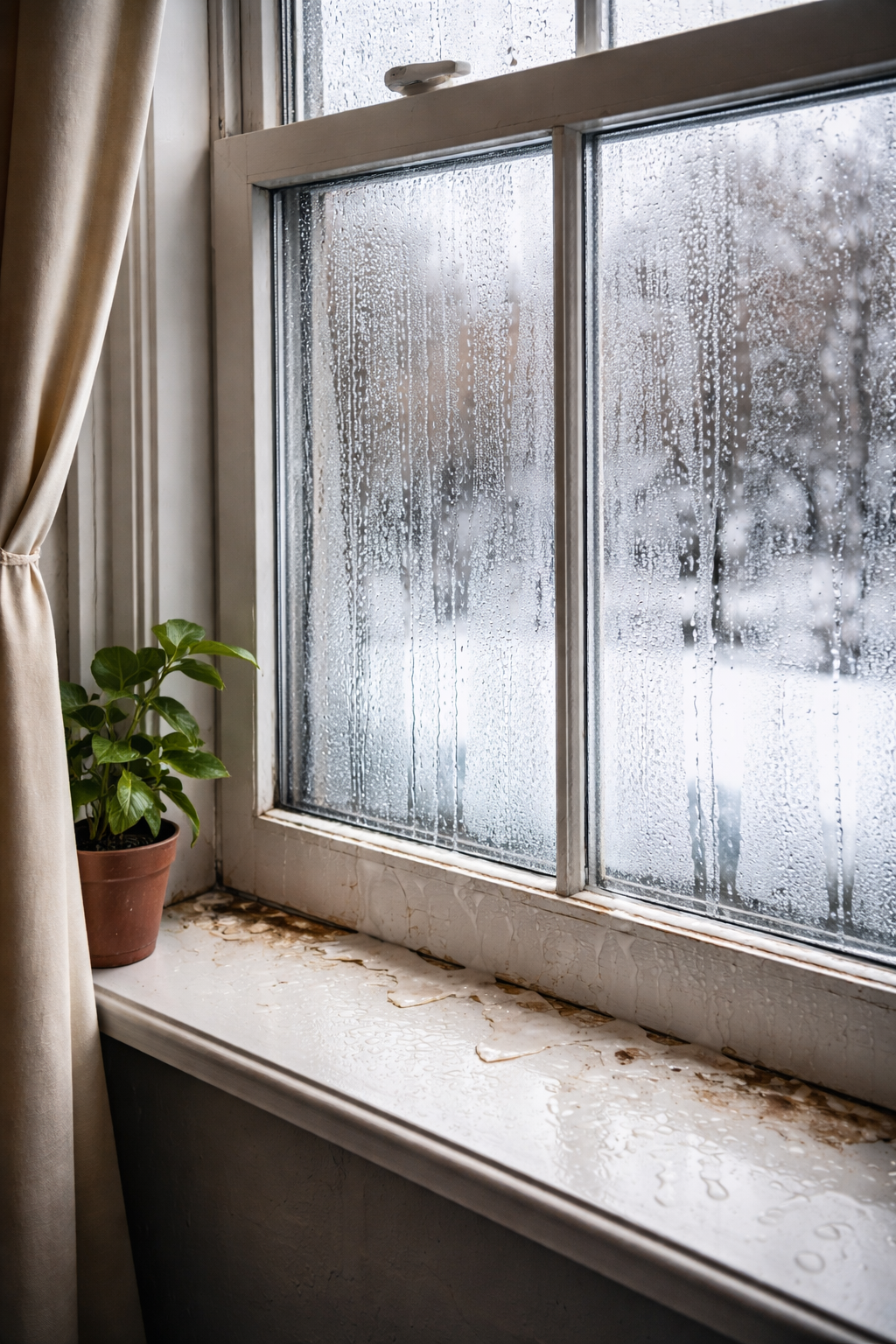
Condensation problems
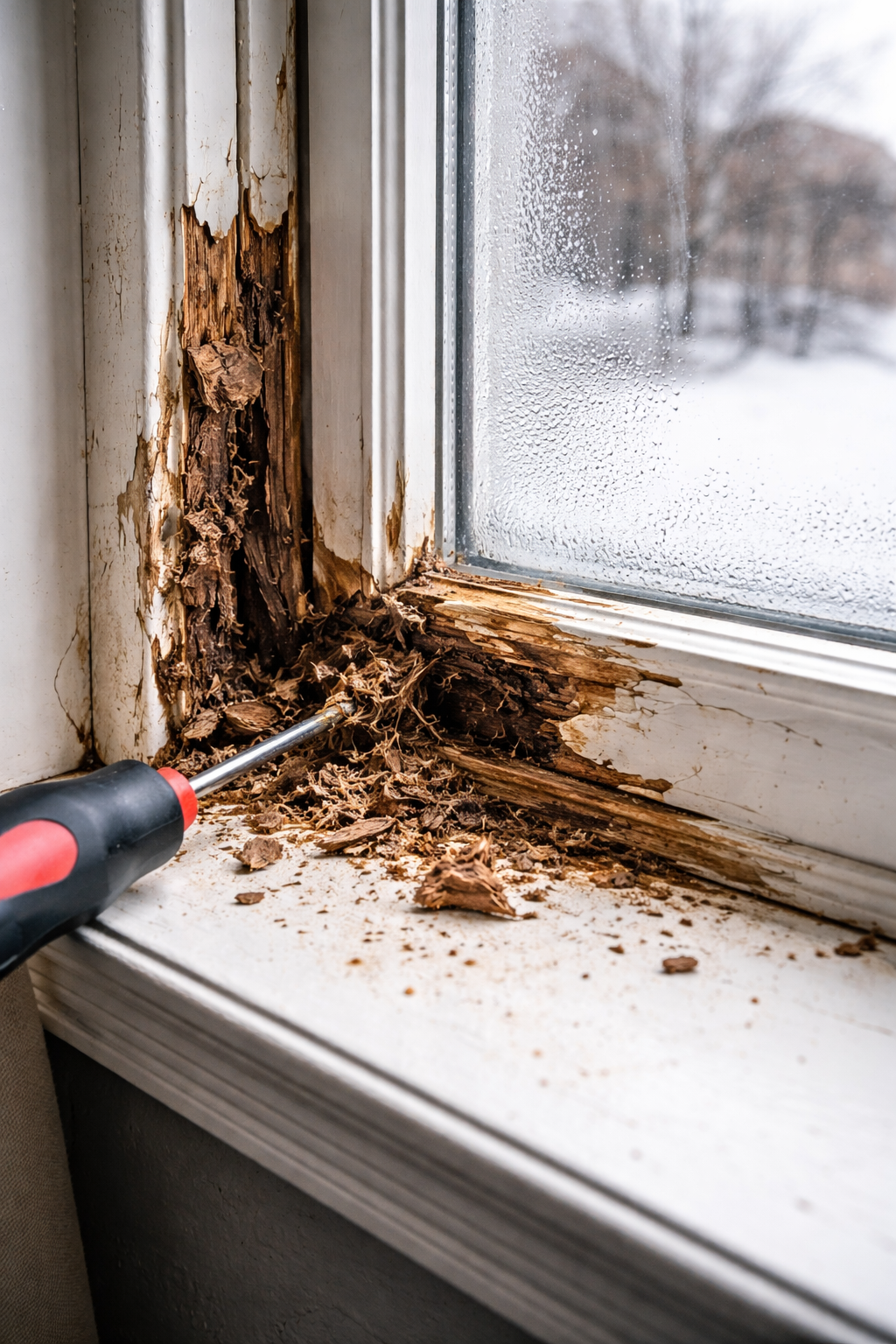
Rot around window openings
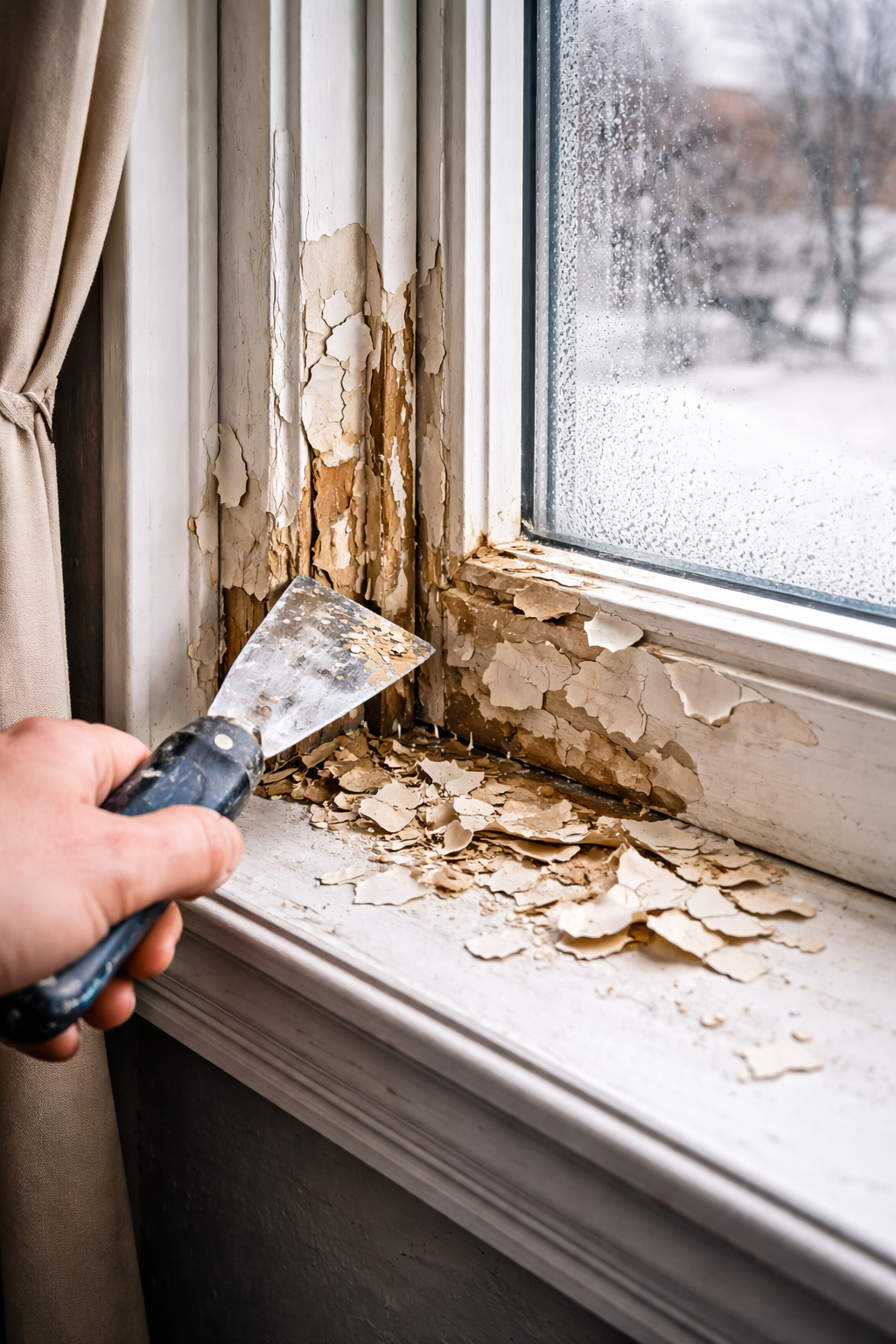
Peeling or failing paint
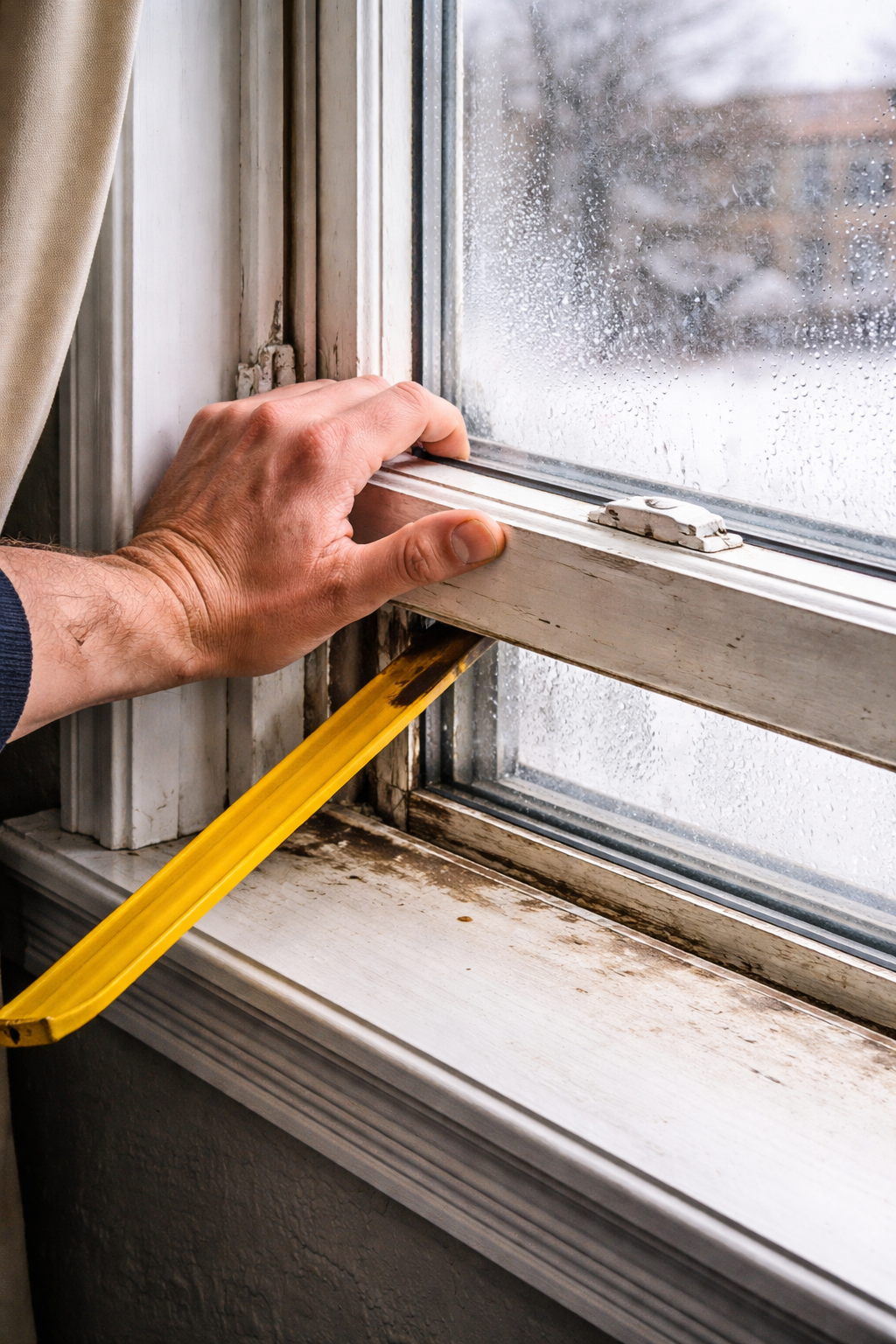
Windows that no longer open properly
If your home is experiencing any of these — you are not alone.We’ve seen these situations many times.
Seeing these problems in your home? You’re not alone. Talk to Perma Seal and find the right solution today.
Repair vs Restore vs Replace – What’s the Difference?
Before making any decision, it’s important to understand the difference between repair, restore, and replace.
Repair
Repair means fixing specific issues, such as drafts, damaged wood, or hardware problems.
Restore
Restore goes a step further — it brings the original window back to proper working condition while preserving its historic character.
Replace
Replace means removing the original window entirely and installing a new one.
For historic homes, repairing or restoring original wood windows is often the better option. These windows were built with high-quality materials and can be upgraded to perform very well while keeping the original look of the home.
Many homeowners are told that replacement is the only solution — but in most cases, that is not true.
Why Modern Fixes Often Fail in Historic Homes
Many homeowners are given modern solutions that simply don’t fit historic homes.
Common mistakes:
- Over-sealing the home (trapping moisture inside)
- Using modern insulation assumptions
- Replacing wood windows with vinyl
- Ignoring how historic materials behave
These approaches can actually damage your home over time instead of fixing it.
Need help in hiring Specialist read this blog Why you need to hire specialist for Heritage projects
Historic homes need a repair-first, breathable approach — not a replacement-first mindset.
What Actually Works Better in Alberta’s Climate
In Alberta, the right approach matters even more because of extreme weather conditions.
What works best:
- Breathable wall and window systems
- Repairing original wood windows where possible
- Using correct glazing methods (including historic-style glass)
What Is Period Glass? And Why It Matters in Historic Window Restoration
- Preserving original materials instead of replacing them
More details: Crafting the Past: How Replica Woodwork Enhances Authenticity in Historic Homes
Historic glass, like wavy glass, is not just aesthetic — it plays a role in how the window performs.
Not Sure What Your Historic Home Needs?
If your home sounds similar to what’s described above, it’s worth taking a step back before making any decisions.
Many homeowners come to us after:
- Trying modern upgrades that didn’t work
- Getting conflicting advice from contractors
- Feeling unsure about what’s “right”
You don’t need the cheapest quote — you need confidence and clarity.
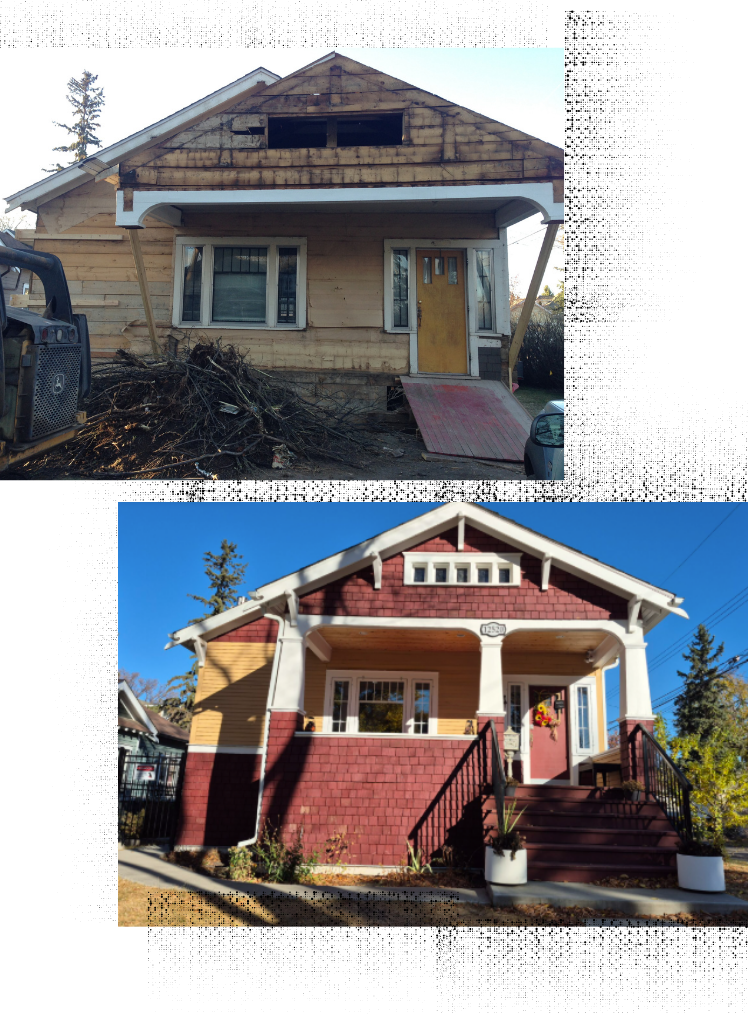
Preserving the Iconic Features of Character Homes
Character and heritage homes have a collection of original architectural details and styles, making every home unique. The restoration specialist team at Perma Seal Windows & Doors, preserves and repairs these historic details and assists homeowners with these elements of older homes.
Whether your home features traditional sash windows, solid wood window frames, original wood sashes, decorative window muntins, or handcrafted trim and casing. This team is also capable of repairing and/or reproducing historically accurate and appropriately characterized trims of moldings, casings, and muntins to improve the functionality of the windows and seamlessly integrate them to the existing architectural design.
Perma Seal Windows & Doors team truly wants to preserve a home’s unique architecture. This team also repairs homes wood details, brick moldings, and divided lite (or, divided-light) windows, which historically are shown to improve the home’s energy efficiency and resiliency to the weather. These are also features that modern replaced windows will not be able to replicate.
Perma Seal Windows & Doors team evaluates historic woodworks and windows to assess the best function preservation methods. The team also recommends conservation approaches to restore the architectural character of the home, as well as, increase its long-term value.
Have questions about your windows or doors? We’re here to help reach out anytime.
Historic Home Grants in Alberta – What You Need to Know
Homeowners may need to go through a procedure called heritage designation to get their property formally designated as a historic resource before they can apply for any grants. Homeowners can start the application process by getting in touch with their local government or a heritage planner, who will explain the requirements for qualifying. Usually, the process entails sending in an application with information on the home’s history, architectural features, and current state, along with pictures. Then, the property’s historical importance is looked at. If it gets approved, it could be added to the Alberta Register of Historic Places. This could make it eligible for programs like the Alberta Heritage Preservation Partnership Program and other grants for historic homes in Alberta.
Who Can Apply?
You may qualify for Alberta heritage grants for homeowners if your property is:
- A Provincial Historic Resource
- A Municipal Historic Resource
- Listed on the Alberta Register of Historic Places
- Protected under a local heritage designation
If your home is not designated, you may need to apply for designation first.
Types of Repair and Restoration Work Eligible for Funding
Grant funding under historic house restoration grants Alberta programs is typically available for conservation work that protects the historic character of the home, such as:
- Exterior restoration and façade conservation
- Heritage window and door restoration
- Structural stabilization
- Roof repair using historically appropriate materials
- Foundation conservation
- Masonry and woodwork restoration
- Conservation of significant architectural features
Modern renovations or purely cosmetic upgrades usually do not qualify.
Step-by-Step Process to Apply for Alberta Historic Home Grants
Here are the step-by-step process to apply for heritage home grants Alberta:
Step-by-Step Heritage Grant Process
Step 1: Check to see if your property is a heritage site.
Find out if your home is officially listed or marked.
Look in the Alberta Register of Historic Places:
https://hermis.alberta.ca
If your property isn't listed, you should talk to your local municipality or heritage planner about whether it can be designated.
Step 2: Talk to a provincial heritage planner about your project.
Homeowners should talk to Alberta Heritage personnel before sending in an application.
Contact information: https://www.alberta.ca/historic-resource-impact-assessment
This step helps figure out:
- Scope of conservation effort that is eligible
- Estimated percentage of financing
- Standards for conservation that must be met
- Required paperwork
Step 3: Make a Detailed Plan for Conservation
Most of the time, applicants need to send in:
- A description of the restoration work that is planned
- Pictures of how things are now
- Quotes or cost estimates from contractors
- Approach to preserving heritage
- Timeline for the project
Step 4: Fill out the Grant Application Form
You can get application forms from the program page:
AHPPP Application Forms- https://www.alberta.ca/heritage-funding
Common prerequisites for submissions are:
- Filled out application form
- Proof that you own the property
- Documents for heritage designation
- A full project budget
- Professional drawings (if needed)
Step 5: Send in your application before the funding deadline.
Some provincial award programs only accept applications during certain times of the year or once a year.
Applicants should check:
- Current Deadlines
- Allocation of available funds
- Program updates
- It is a good idea to check the official Alberta government website often.
Step 6: Wait for the review and approval
Applications are evaluated based on:
- The property's historical importance
- The need for conservation work
- How good the restoration plan is
- As Availability of matching funds
- Effect on long-term preservation
- It can take anywhere from a few weeks to a few months to get approval.
Step 7: Finish the approved conservation work
Once approved:
- Work must meet standards for preserving heritage.
- You need to get permission to change the project's scope.
- You might have to report on your progress.
- Funding is usually given out as:
- Reimbursement after the task is done
- Staged payments based on project milestones
Important Funding Considerations for Private Owners
Homeowners should be aware that:
- Grants typically require owner cost-sharing (often 50% or more)
- Not all restoration costs are eligible
- Work started before approval may not qualify
- Conservation standards must be strictly followed
- Demand for funding can exceed available budgets
- Planning early significantly improves success
Why Understanding Heritage Grant Requirements Matters
Understanding historic home grants Alberta helps you:
- Reduce restoration costs
- Protect your home’s long-term value
- Avoid costly mistakes
- Preserve architectural authenticity
Historic homes are not just buildings — they are part of Alberta’s story.
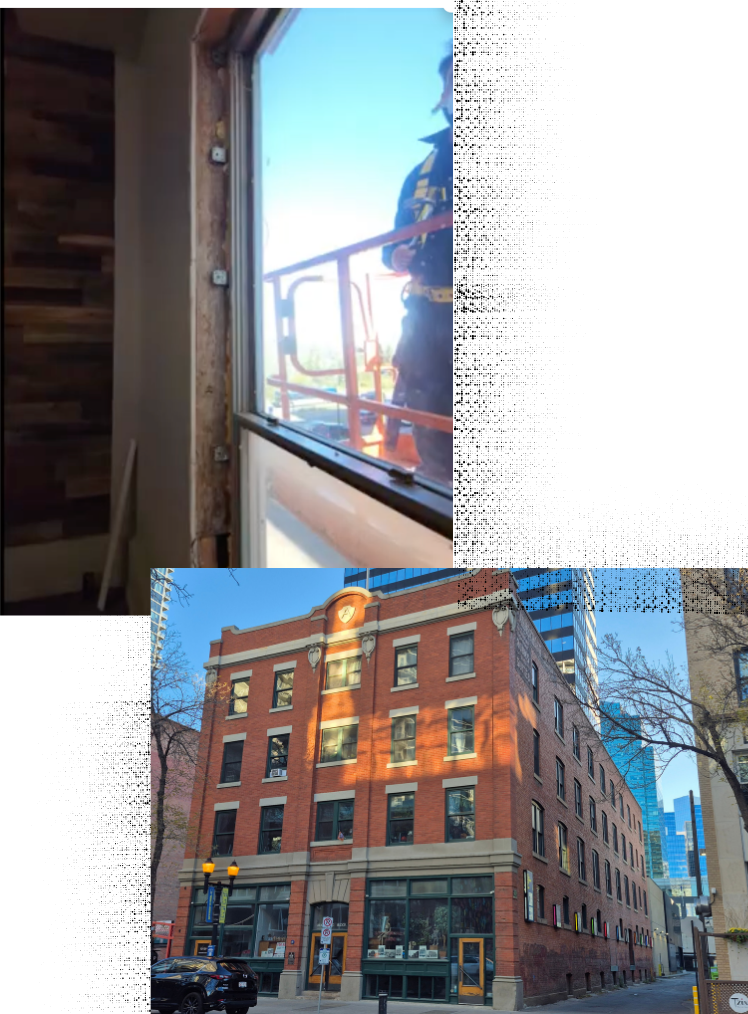
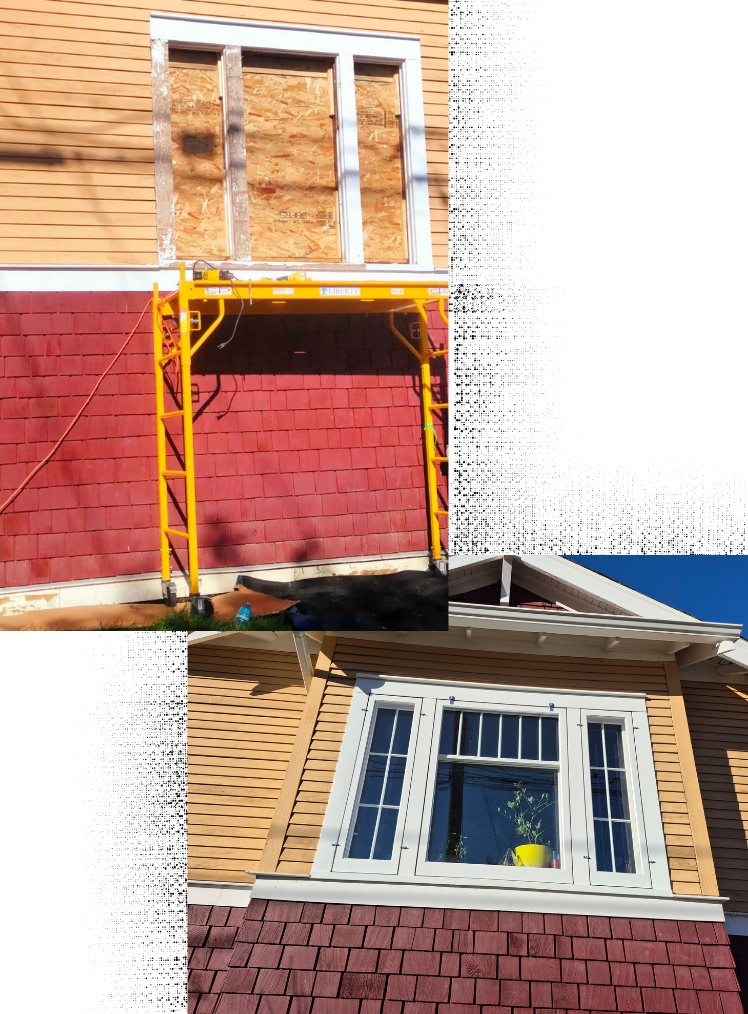
How Perma Seal Helps
Perma Seal understands historic homes — not just how they look, but how they behave.
This is not about selling products.
It’s about helping you avoid the wrong decisions.
What you can expect:
- Honest guidance
- Clear explanations (no technical jargon)
- A focus on repair-first solutions
- Experience with real historic homes
Why Homeowners Trust Perma Seal
For over 60 years Perma Seal has been Alberta’s expert for window and door restoration. We’ve worked on everything ranging from historic, heritage-designated properties to everyday homes along the way winning the trust of homeowners, architects and municipalities. With specialized knowledge in repairing and restoring wood, we make certain each project is executed with care and precision while honoring the initial design.
Disclaimer
The Government of Alberta can amend grant programs, eligibility rules, funding restrictions, and deadlines.
Homeowners should always check the most up-to-date program information directly with official provincial sources before making any financial or project decisions.
Not Sure What Your Historic Home Needs?
Book a free consultation with the Perma Seal team.