Architectural Heritage Windows & Architectural Wood Doors
Architectural Heritage Windows and Architectural Wood Doors often carry the highest conservation risk on heritage projects in Alberta. Architects and consultants need details that respect original profiles, materials, sightlines, and long-term building envelope behaviour.
Perma Seal supports project teams with practical field input on architectural replication services, architectural window systems, repair-first strategies, and constructible restoration details. For related project context, see our heritage building restoration work and custom wood door capabilities. Conservation planning should also align with the Standards and Guidelines for the Conservation of Historic Places in Canada.
This content is intended to provide technical reference insights based on observed behaviour of heritage building envelopes, with a focus on risk reduction, defensibility, and long-term performance.
Need Technical Input Before Tender?
Reduce project risk by involving a heritage restoration contractor early in the design process. We help evaluate existing heritage windows, review restoration options, support condition assessments, and provide practical recommendations that align with conservation principles.
Context & Constraints in Heritage Buildings
Heritage structures were built under very different assumptions than modern buildings. Before any intervention, it is essential to understand how these buildings were designed to perform.
Common Conditions
- Window frames made of solid wood designed to last decades
- Wall systems that allow air movement and natural drying
- Few or no vapour barriers
- Materials that tolerate moisture instead of resisting it
Heritage Requirements
- Maintain historical appearance and condition
- Restrictions on replacement or major modification
- Interventions should be reversible where possible
- Compatibility with existing building methods
These buildings were never designed to meet modern performance standards. Applying today’s rules without understanding original construction can lead to long-term damage.
Instead, as a contractor called in towards the tail-end of heritage projects, Perma Seal are a practical partner throughout projects, working hand-in-hand with architects and consultants. With technical input from the team starting at an early design stage to realistically inform the already unique ideas chose something effective and affordable. This involves determining the extent to which historical windows are repairable versus replaceable, appropriate materials compatibility and building envelope performance integration as well as supporting restoration specifications. Perma Seal is also involved in the coordination, reviews and mock-ups during construction to ensure that what is designed can be built properly on site.
Observed Failure Modes in Heritage Envelope Interventions
When new changes are made without thinking about the whole system, certain failure patterns are consistently seen in a number of historical projects.
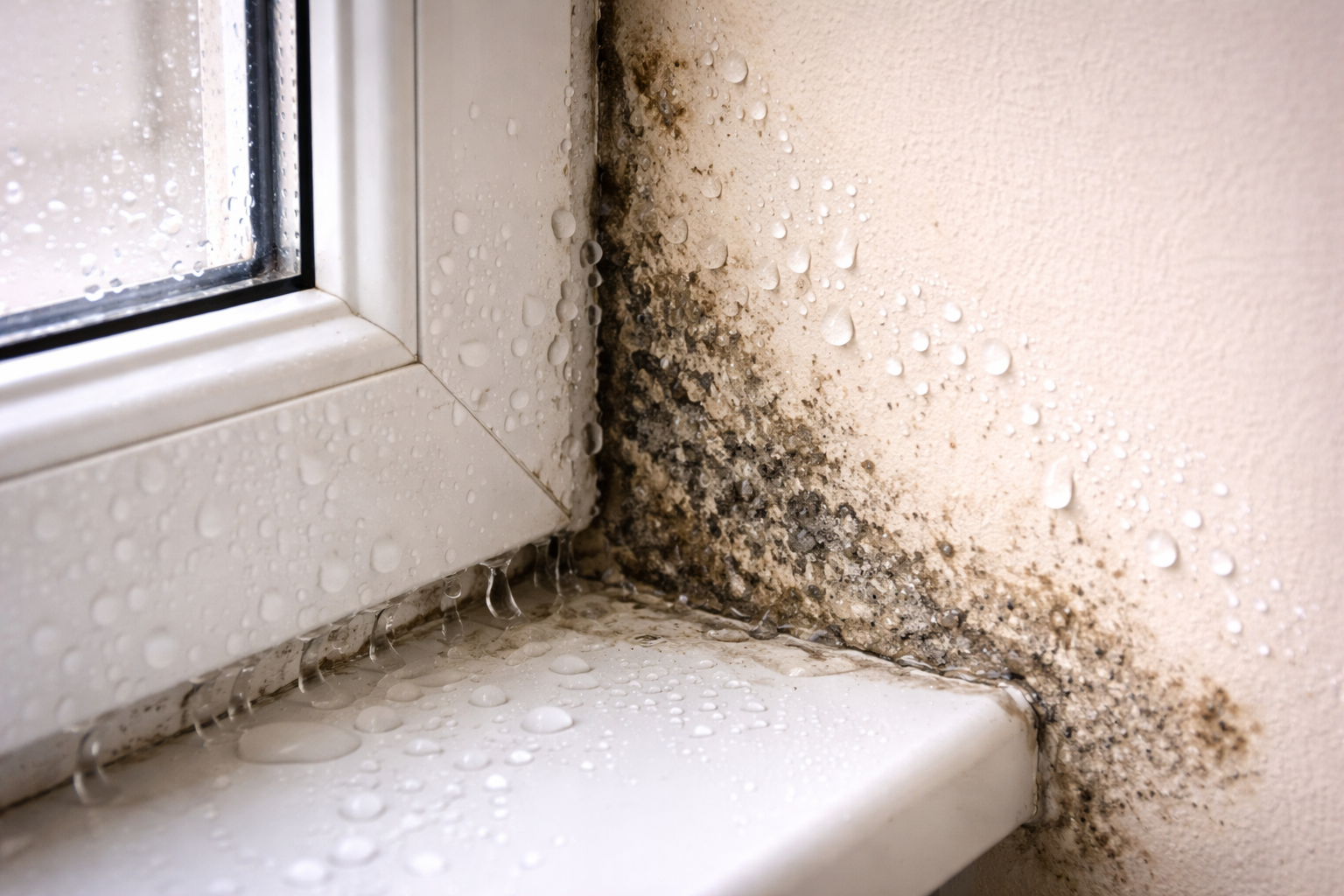
1- Moisture accumulation at the junction of windows/walls
Recent sealing methods have modified the drying path and allowed for moisture build-up and localized damage.
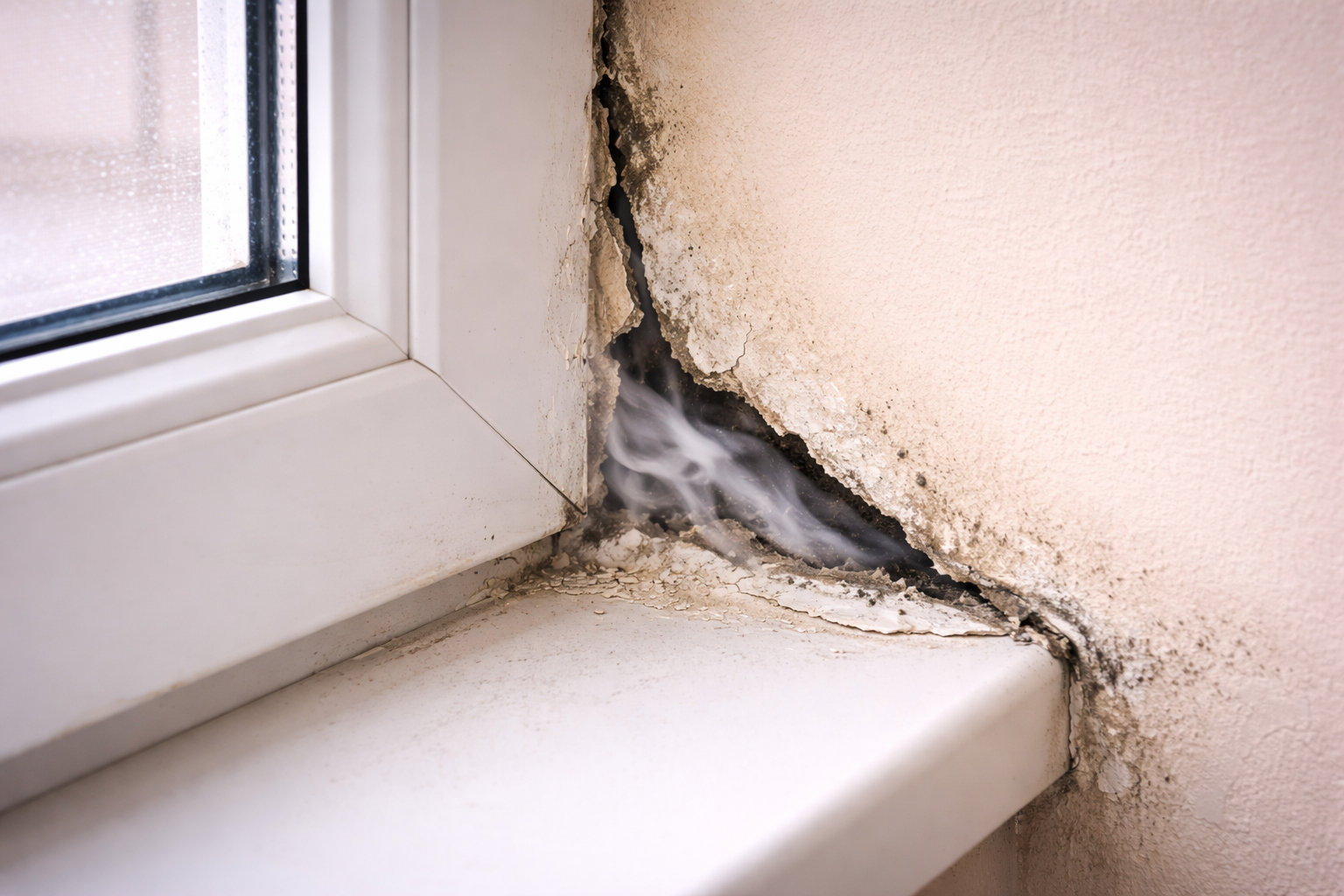
2- Differential movement of materials causing joint integrity failure and air leakage
New materials often exhibit different expansion and contraction behaviour compared to original wood assemblies
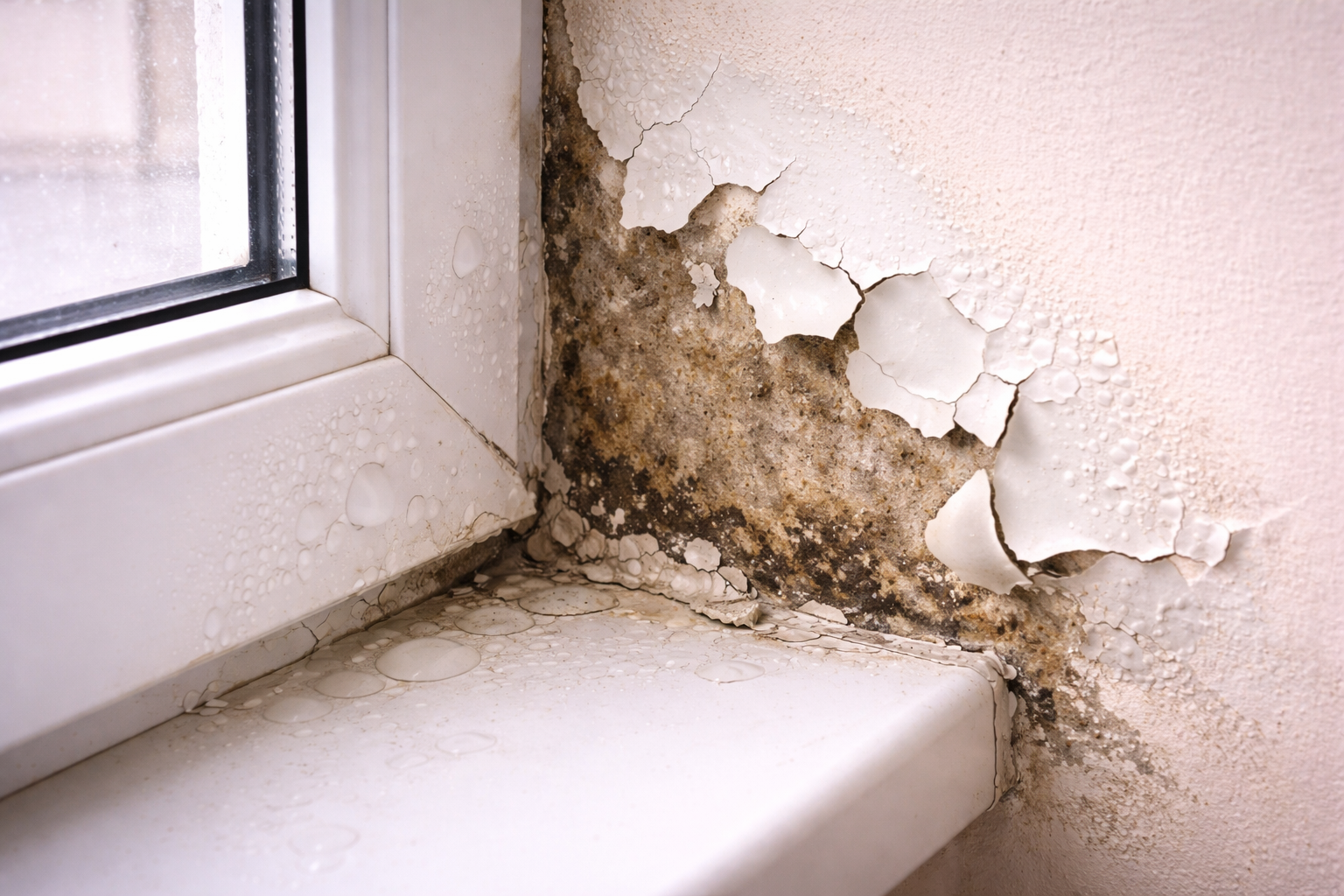
3- Paint film forming failure due to the use of moisture-insensitive coatings
New coatings can inhibit the escape of moisture, providing an environment for blisters, peeling and deterioration of the substrate.
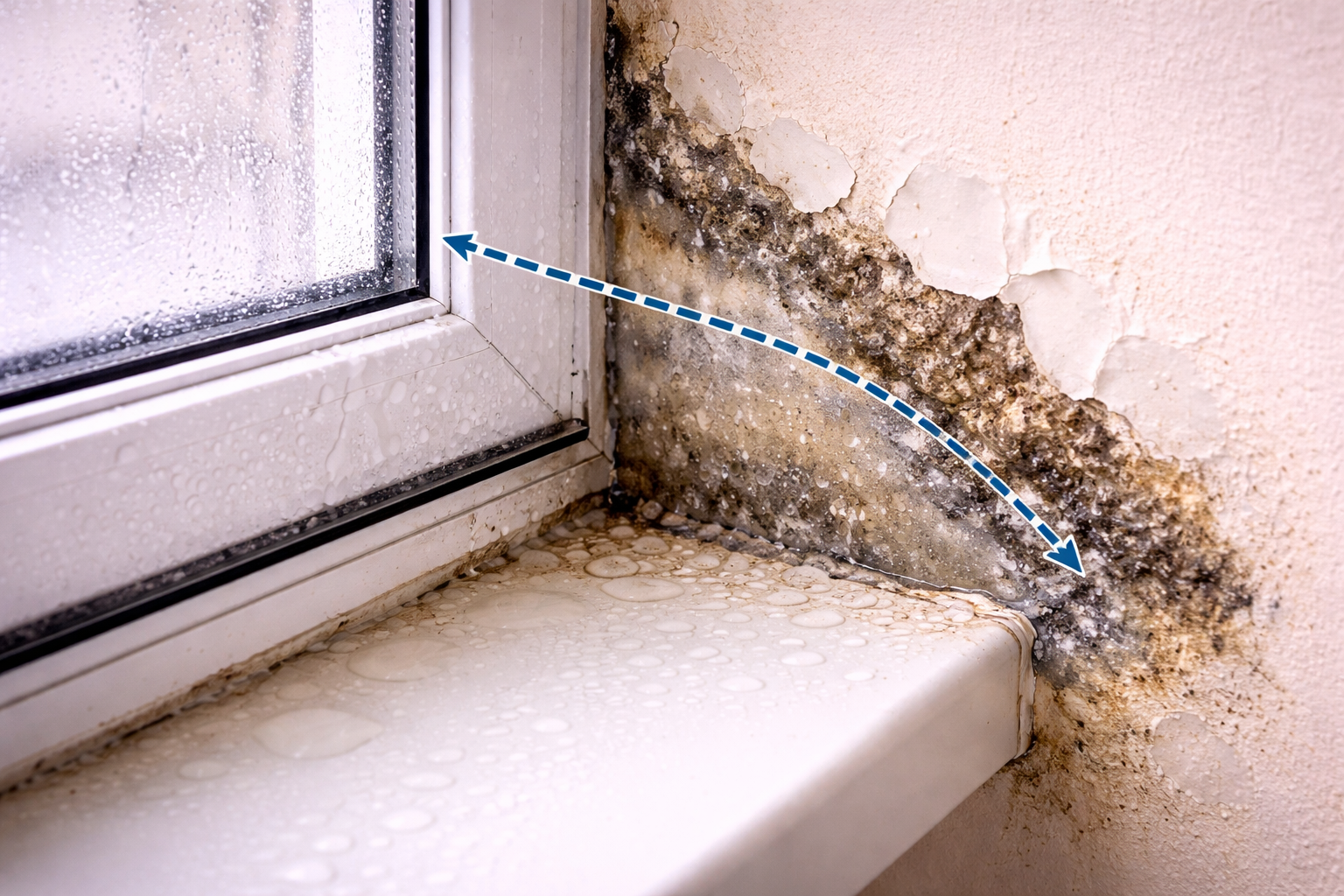
4- Glazing retrofits affecting the hygrothermal equilibrium of the assembly
Changes to glazing systems can change the position of the condensation line, (this will affect the climate comfort of the interior as well as the performance of the material);
These types of issues may not be apparent for a period of time, so they can be difficult to diagnose after installation.
Why Standard Modern Details Often Break Down
Standard construction details are typically based on assumptions that do not align with building envelope performance Alberta conditions in heritage assemblies.
The main areas of conflict are:
Airtightness and Breathability
Modern Building systems prioritize having an airtight building shell while historic assemblies utilize controlled air movement to facilitate drying.
Drainage Plane Conflicts
When new drainage strategies are implemented, they may adversely impact existing moisture pathways.
Material Compatibility
Modern synthetic materials when installed with traditional wood assemblies can create stress concentrations and moisture traps.
Maintenance Cycles
Historic systems were designed for ongoing maintenance, not cycles revolving around replacement.
These conflicts are not design errors, but system mismatches that require careful consideration.
Repair-First Logic and Risk Reduction
When heritage restrictions are in place, a repair-first approach—particularly in heritage window restoration Alberta projects—usually fits better with conservation principles and long-term performance.
This usually means:
- Retaining original materials wherever possible
- Repairs that are specific instead of full replacement
- Keeping the same patterns of how moisture behaves
- Not doing things that can't be undone
Ways to help:
- Mock-ups to try out suggested methods
- Monitoring performance over time
- Incremental changes rather than large, immediate interventions
This method usually lowers risk, especially in projects with a lot of unknowns and where being able to change your mind is vital.
The decision regarding restoration over replacement is not always straightforward for heritage projects and should be assessed with a case-by-case assessment. While there is no national standard, industry and municipal guidelines for retaining existing materials when possible is the norm instead of a default-replacement position. Which necessitates a thorough understanding of the status (or maintainability) of existing elements, potential localized repairability in-kind, and implications on, or interaction with, the original assembly by any replacement material composition. The comparison below discusses the primary factors that generally influence this decision, which helps to ensure that interventions are both technically appropriate and also right for the character of the building.
Restoration vs. Replacement – Key Considerations
Restoration
- Appropriate where existing materials are in serviceable condition or can be stabilized.
- Focuses on localized repairs rather than full removal.
- Maintains compatibility with original materials and existing envelope behaviour.
- Preserves the architectural character and historic integrity of the building.
- Supports long-term maintenance strategies based on repair rather than replacement cycles.
- Can improve performance while retaining historic fabric when properly executed.
Replacement
- Considered when existing materials are beyond repair or no longer functional.
- Involves full or partial removal rather than localized intervention.
- Requires careful selection of new materials to address compatibility with existing assemblies.
- May impact the architectural character depending on detailing and replication accuracy.
- Can introduce different maintenance requirements over time.
- Performance depends on how well the new system integrates with the original building envelope.
Before deciding between restoration and replacement, many projects benefit from a restoration feasibility analysis. Evaluating the condition of existing materials, repair potential, long-term performance, and heritage value allows project teams to make technically sound decisions that align with conservation objectives and project budgets.
Have a project in early planning?
Connect with our team to review details, discuss constraints, and explore practical approaches before specifications are finalized
Project Types we Support
Our team supports a wide range of heritage restoration and conservation projects across the residential, commercial, institutional, and municipal sectors. Whether you are preserving a heritage residential building, restoring a heritage commercial property, revitalizing an institutional heritage facility, or undertaking an adaptive reuse project, we provide the technical expertise and practical guidance needed to protect historic character while meeting modern performance requirements. We also work closely with municipalities, architects, consultants, and property owners on complex municipal heritage restorations, delivering solutions that respect the building’s historical significance while ensuring long-term durability, functionality, and code compliance.
Case-Based Observations & Trade-Offs
In practice, decisions are seldom binary. Most heritage projects require making choices between:
- Performance versus preservation
- Behaviour in the short term vs behaviour in the long term
- Intervention versus minor alteration
For instance:
- Improving thermal performance could change how moisture moves about.
- Better sealing may make it harder to dry things out.
- Component replacement may simplify detailing but can reduce heritage value
Understanding these trade-offs early supports more defensible design decisions.
Role of Technical Collaboration in Heritage Projects
Heritage Architects and consultants often work within constraints that require specialised input without bias toward products or systems.
Technical collaboration can be useful where:
- Existing conditions are unclear or inconsistent
- Proposed interventions affect envelope behaviour
- Risk of unintended consequences is high
- Documentation requires additional technical clarity
- Preparing condition assessment reports to document existing window systems, deterioration, and restoration priorities.
In these cases, experience with real-world performance of heritage assemblies can support both design development and review processes.
Experience-Based Insights
In working with heritage window systems and building envelopes, including hygrothermal performance heritage buildings, certain patterns emerge:
Assemblies that are allowed to breathe and dry tend to perform more reliably over time
Minimal intervention strategies often result in fewer long-term complications
Compatibility between materials is more critical than individual product performance
Where heritage constraints apply, solutions that align with existing behaviour rather than replacing it tend to reduce risk.
Reference Material & Project Examples
For those interested in observed conditions, repair approaches, and performance outcomes, documented project examples are available.
- Window restoration case studies
- Envelope condition observations
- Before-and-after performance insights
- Field-based examples of failure and repair
These references are intended to support technical understanding rather than product selection.
Trusted by Homeowners Since 1964
At Perma Seal Windows & Doors, working with experts who understand this delicate balance between preserving our heritage and giving you optimum performance is what sets us apart. For over 60 years, we have worked in partnership with architects and consultants and project managers to provide such solutions that honour the original design intent while enabling compliance with modern building regulations and energy efficiency requirements. Perma Seal demystifies products to understand the building performance case, balancing cost and detailing of each product identified. Whether it be period correct restorations or high performance upgrades, we offer unbiased advice, technical expertise and practice craftsmanship that fully embraces your vision from concept to completion.
When This Input Is Useful
This type of technical reference is typically most relevant in heritage conservation Alberta projects when:
- Reviewing window replacement vs restoration proposals
- Assessing envelope-related risks in heritage buildings
- Developing details under heritage constraints
- Supporting documentation for approvals or committees
The goal is not to prescribe solutions, but to support decision-making with practical, experience-based context.
Conclusion
Heritage building envelope Alberta performance requires a system-level understanding of materials, climate, and constraints, particularly in heritage window restoration Alberta applications.
By focusing on:
- Observed behaviour
- Compatibility
- Reversibility
- Risk reduction
architects and consultants can develop approaches that are both technically sound and aligned with conservation principles.
Disclaimer
Information provided is intended as general technical reference for architects, consultants, and professionals involved in heritage building projects.
Project conditions may vary, and all decisions should be evaluated against current codes, conservation standards, and project-specific requirements before implementation.