
Developers & General Contractors in Edmonton
Planning a Heritage Restoration Project?
Whether you’re restoring a historic commercial building, church, municipal facility, or heritage home, our specialists can help with assessments, restoration planning, replica woodwork, and complete window and door restoration.
Managing Heritage Scope, Schedule, and Budget Risk
Heritage Restoration Contractor Edmonton support for developers and general contractors starts with early scope clarity, realistic procurement planning, and repair-first technical input for historic windows and doors.
Perma Seal helps project teams align heritage approvals, custom millwork timelines, and site sequencing before tender. For related service scope, see our heritage building restoration Edmonton page and the City of Edmonton Historic Resources guidance.
High-Risk Scope Items in Heritage Building Projects Alberta
When not dealt with early, several things always cause delays, cost overruns, or problems with coordination.
Some common high-risk items are:
- Heritage approvals delaying procurement
- Changes made late in the process can affect approvals, procurement, and details.
- Heritage permissions are holding up procurement.
- Lead times start before all approvals are in place, which leaves holes in the schedule.
- Mock-ups are not part of the tender timetable.
- Needed later, which led to revisions and delays in the schedule.
- Making custom windows with lead times that aren’t realistic
- Lead times and costs are often underestimated during planning or how long they will take to plan.
These risks are predictable — but often not accounted for early enough.
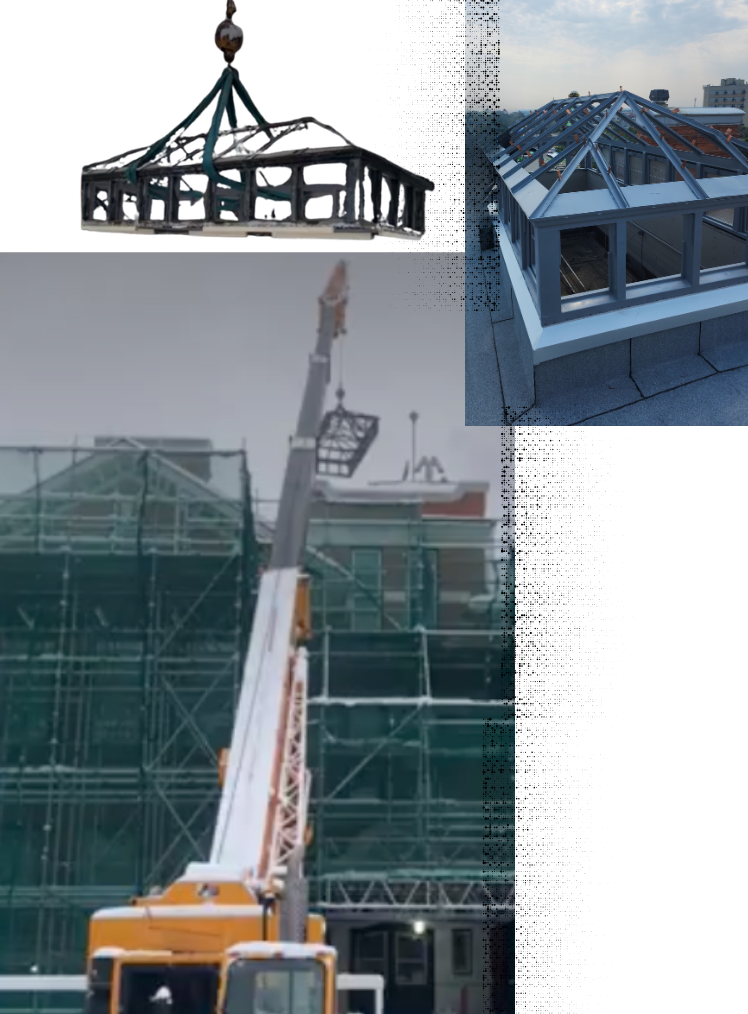
Heritage Restoration Services
Every heritage building presents unique challenges that require specialized knowledge, skilled craftsmanship, and respect for historic materials. At Perma Seal, we provide comprehensive heritage restoration services for architects, general contractors, municipalities, institutions, churches, and property owners across Alberta. Our team follows recognized conservation practices to preserve historic character while improving durability and functionality.
Historic Window Restoration
We restore original wood, steel, bronze, aluminum, and metal-clad windows while preserving as much historic fabric as possible. Our restoration approach improves operation, weather resistance, and energy efficiency without compromising architectural authenticity.
Learn More →Replica Wood Windows
When original windows are beyond repair, we manufacture replica wood windows that accurately reproduce historic profiles, dimensions, glazing patterns, and architectural detailing.
Learn More →Wavy Glass Restoration
Historic glass often contributes significantly to a building's authenticity. Whenever possible, we preserve original wavy glass or source compatible restoration glass that closely matches the historic appearance.
Learn More →Period Glass Replacement
When original glazing cannot be salvaged, we install historically appropriate restoration glass that maintains the visual character of the building while improving durability.
Learn More →Church Restoration
Historic churches often feature intricate woodwork, stained glass, and custom architectural elements. Our restoration specialists help preserve these important community landmarks.
Learn More →Government Heritage Projects
Perma Seal has experience supporting restoration projects for government agencies, municipalities, educational institutions, and publicly owned heritage buildings requiring specialized conservation expertise.
Learn More →What Typically Goes Wrong
In many heritage project management Alberta scenarios, these issues arise due to late-stage coordination gaps.
Common issues observed:
- Changes to the design after the first price quote
- Incorrect assumptions about performance requirements
- General contractors are required to price undefined or unclear scope for work that isn’t clearly defined.
- Heritage review starts after the permit stage
- Specifications that aren’t complete or explicit at the time of bidding
These situations often lead to:
- Change orders
- Procurement delays
- Conflicts between stakeholders
Restoration Guided by Alberta Heritage Standards
Every heritage restoration project has its own primary purpose, but following a set of principles for true heritage preservation helps guide the project to a successful finish. At Perma Seal, we take pride in following line of the integrity of the project. We pay careful attention to the Standards and Guidelines for the Conservation of Historic Places in Canada, as well as the heritage preservation laws in the province of Alberta.
Here are some of the guiding points of our restoration philosophy:
– We aim to preserve any original materials used in the construction of the building.
– We aim to replace any materials that are missing with those that are compatible and complement the other materials used in the construction of the building.
– We aim to repair historic architectural features in a manner that is a faithful reproduction of the original element.
– We aim to select materials that will be durable and easy to maintain for the future.
The following have all been achieved through following the solutions of our restoration philosophy: The Architects, City Council, and General Contractors are able to successfully participate in restoration projects that integrate the heritage preservation with the modern restoration techniques.
Early-Stage Moves That Reduce Risk
Early-stage planning in heritage construction Edmonton projects helps reduce these risks significantly.
Early condition assessments
Identifying actual window conditions before making final design choices
Allowances instead of set prices for things you don't know
Lessens risk during the tender process
Phased permissions that fit with the schedule for buying
Stops delays caused by needing clearance from others
Design-assist procurement strategies
Allows technical input before the final scope is set
Mock-ups done before the tender stage
Reduces uncertainty during execution
Heritage Restoration Experience Across Alberta
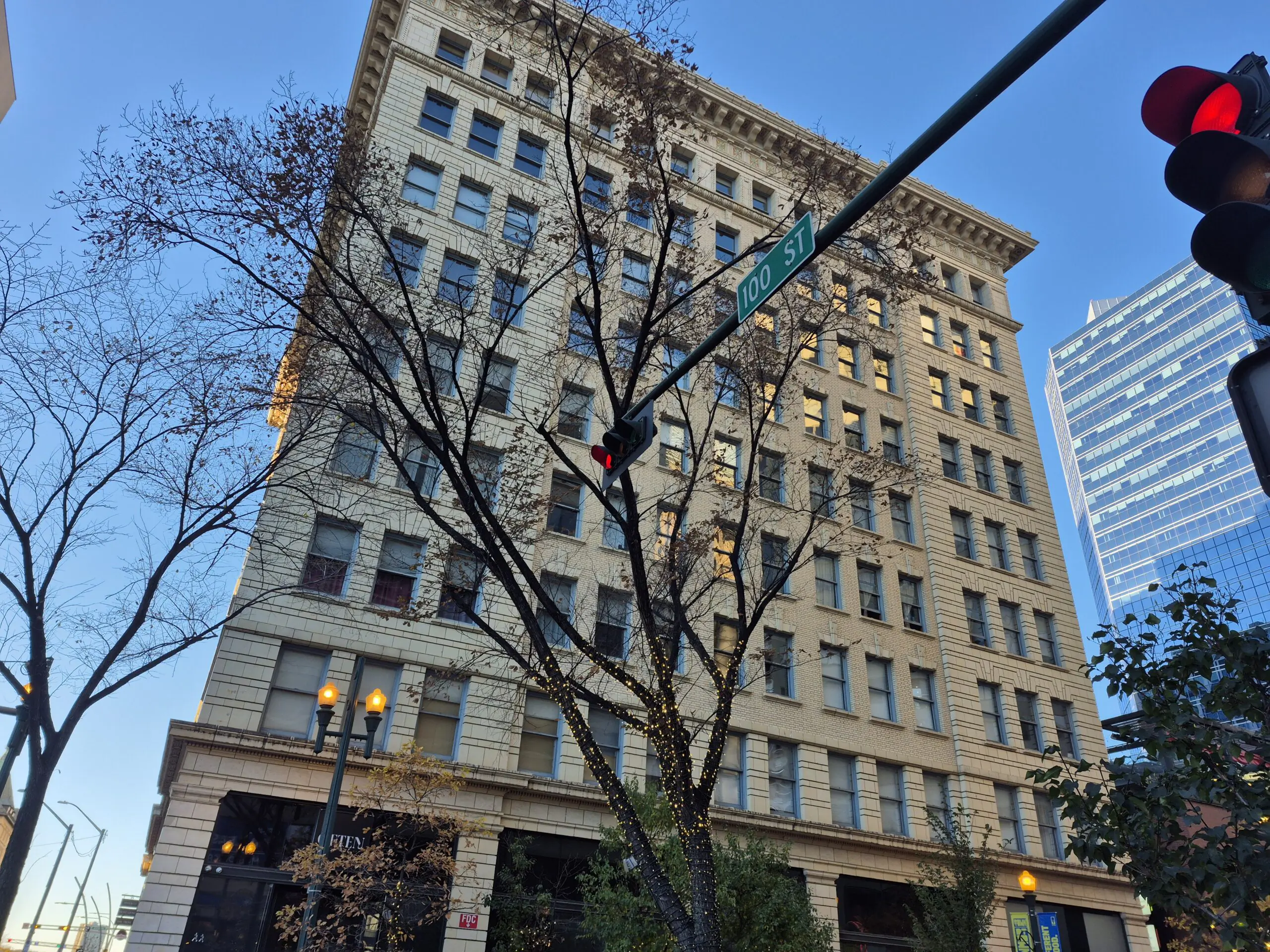
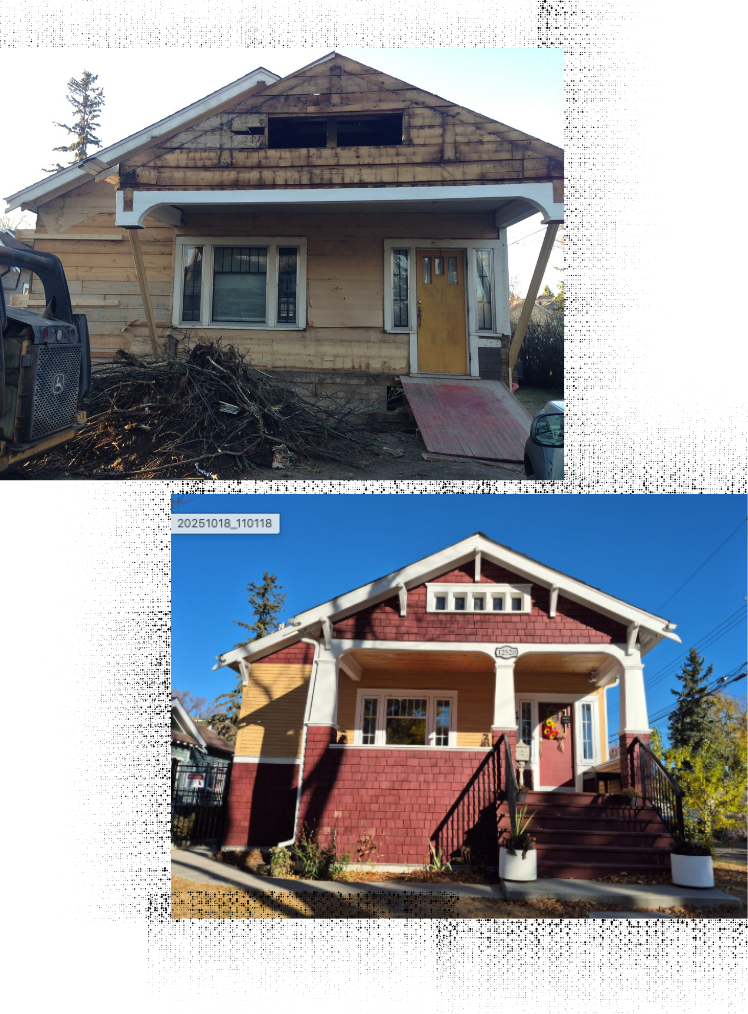
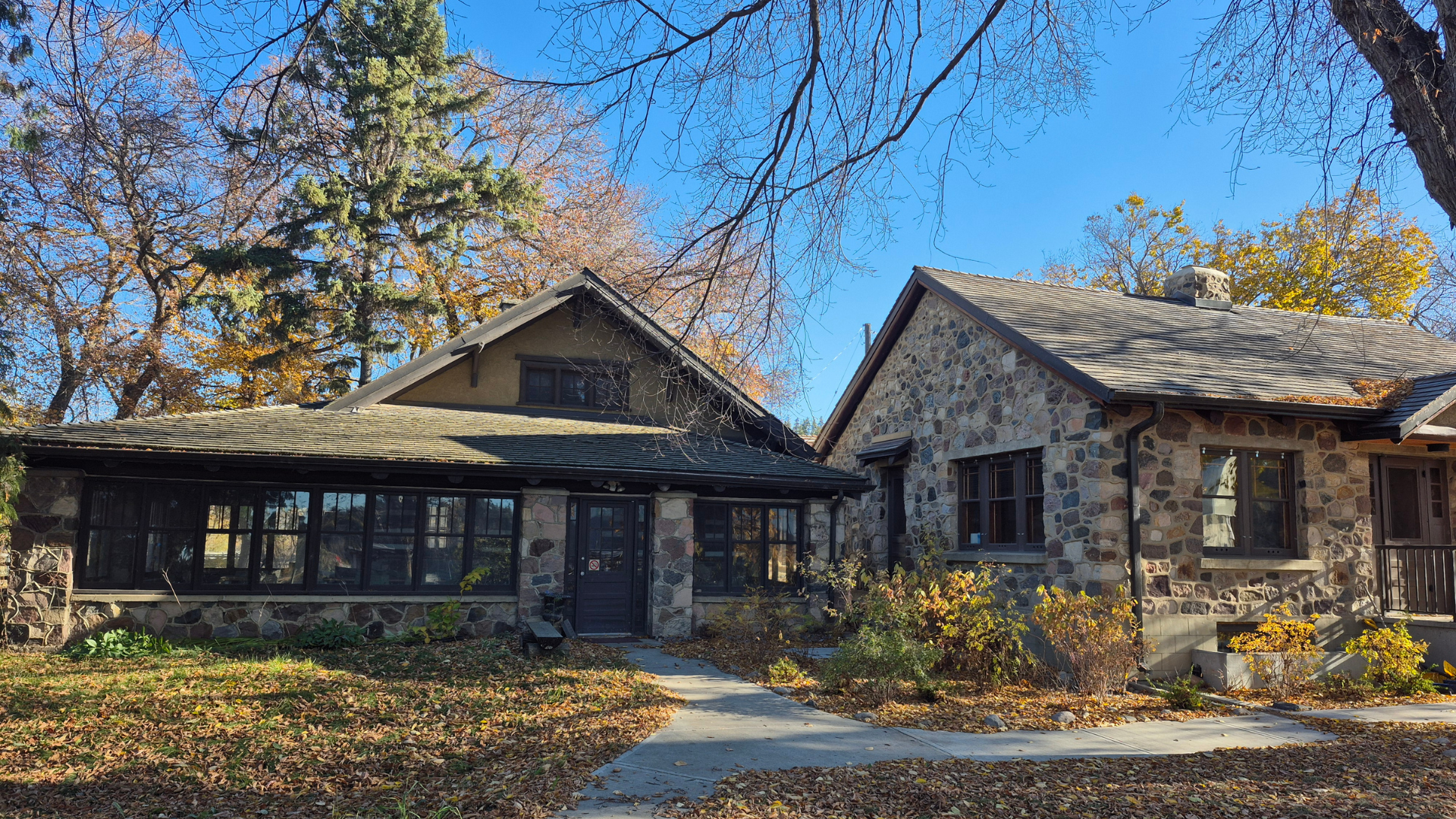
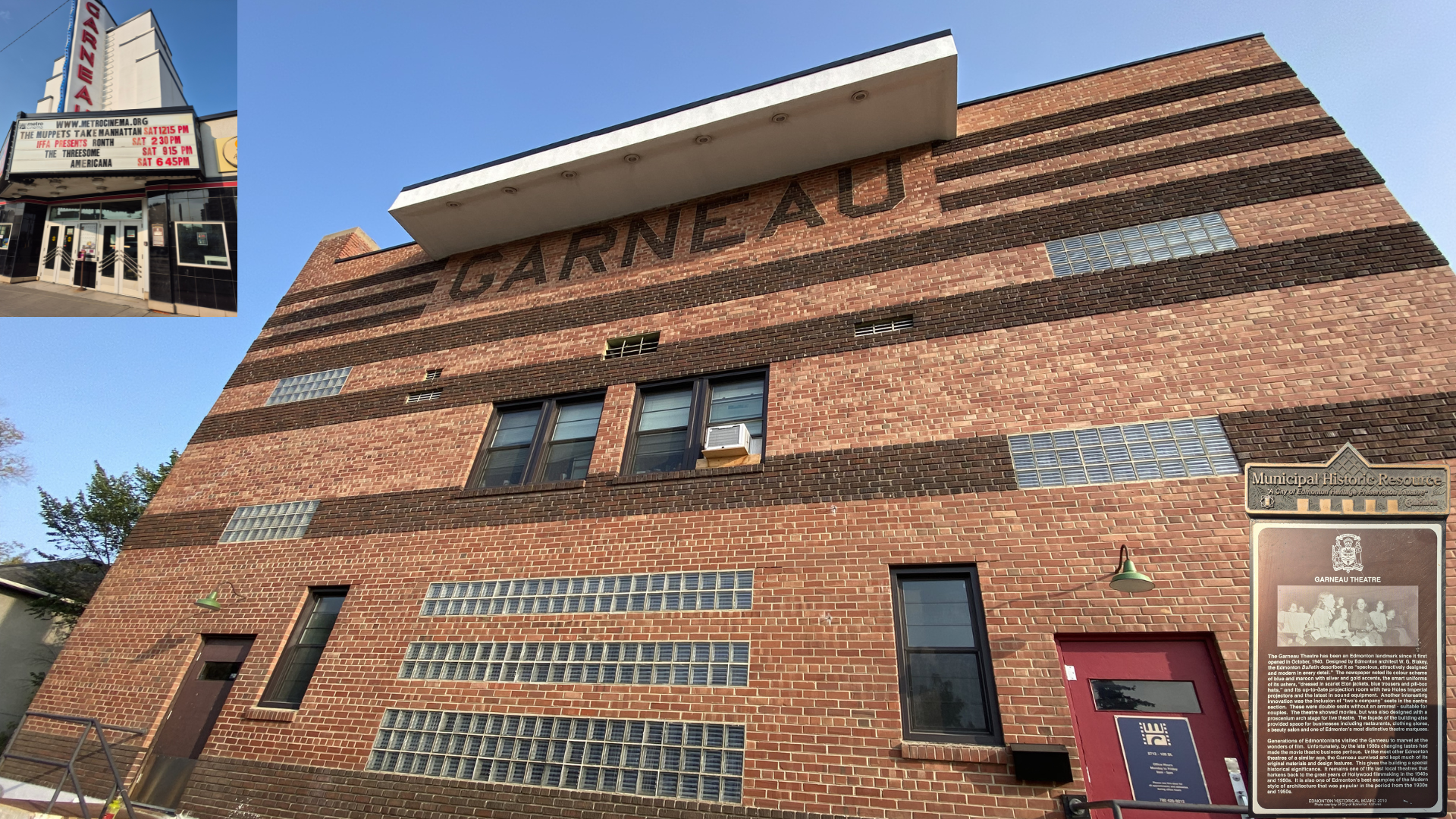
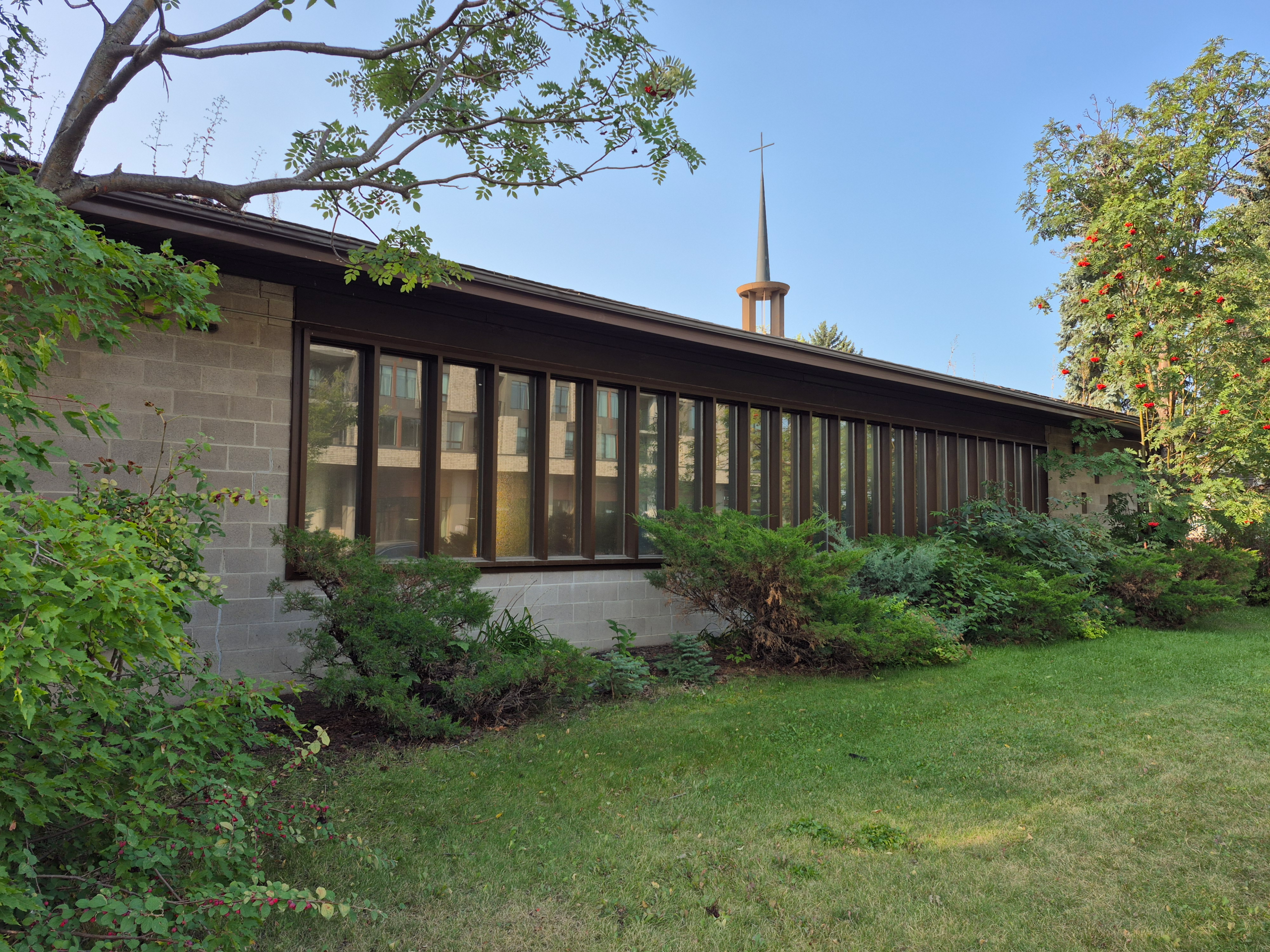
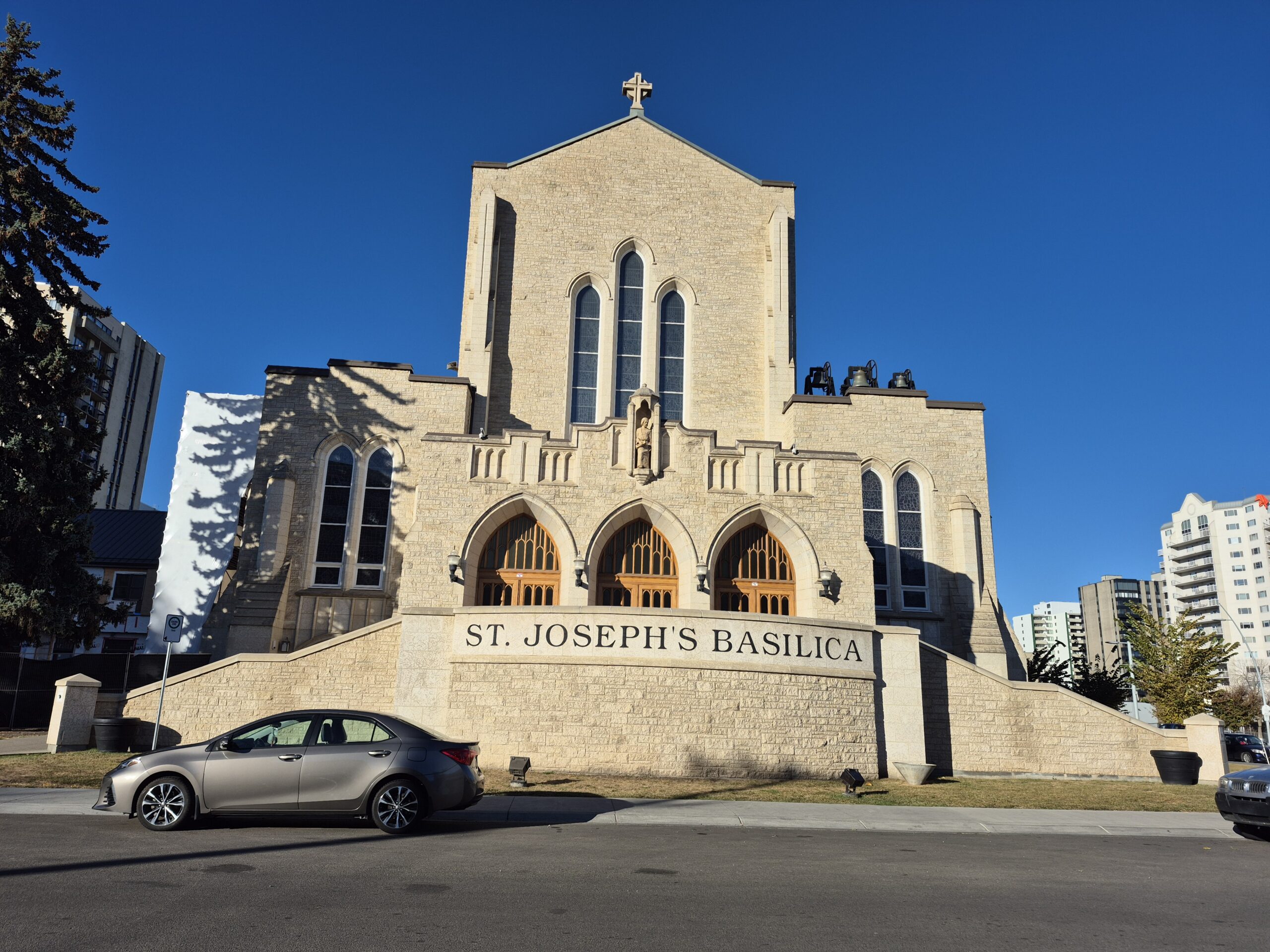
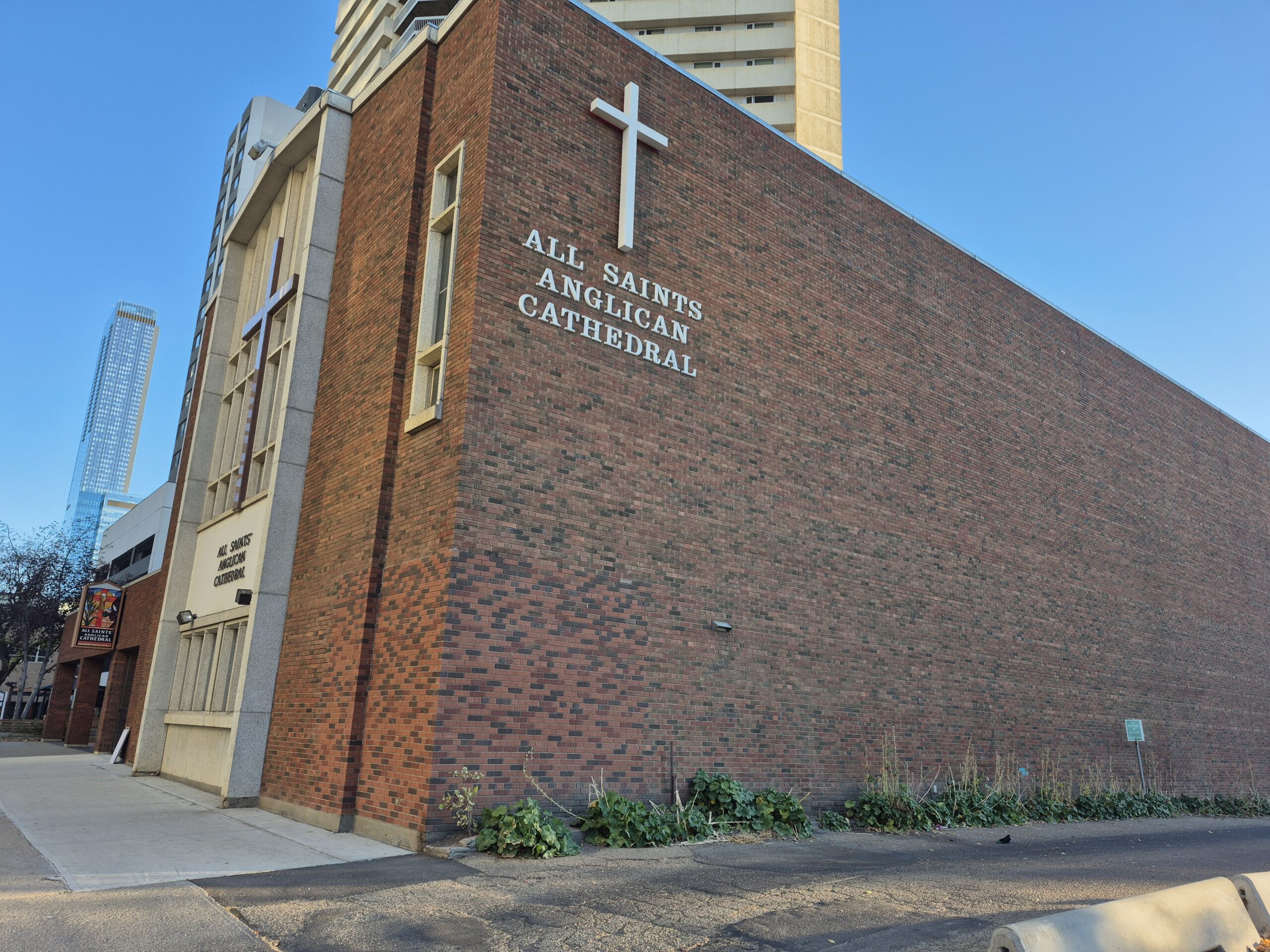
Perma Seal has contributed to the restoration and preservation of numerous significant heritage properties throughout Alberta. Our experience includes projects involving historic institutional buildings, churches, universities, government facilities, and commercial landmarks where preserving original architectural character is essential.
Examples of notable heritage projects include:
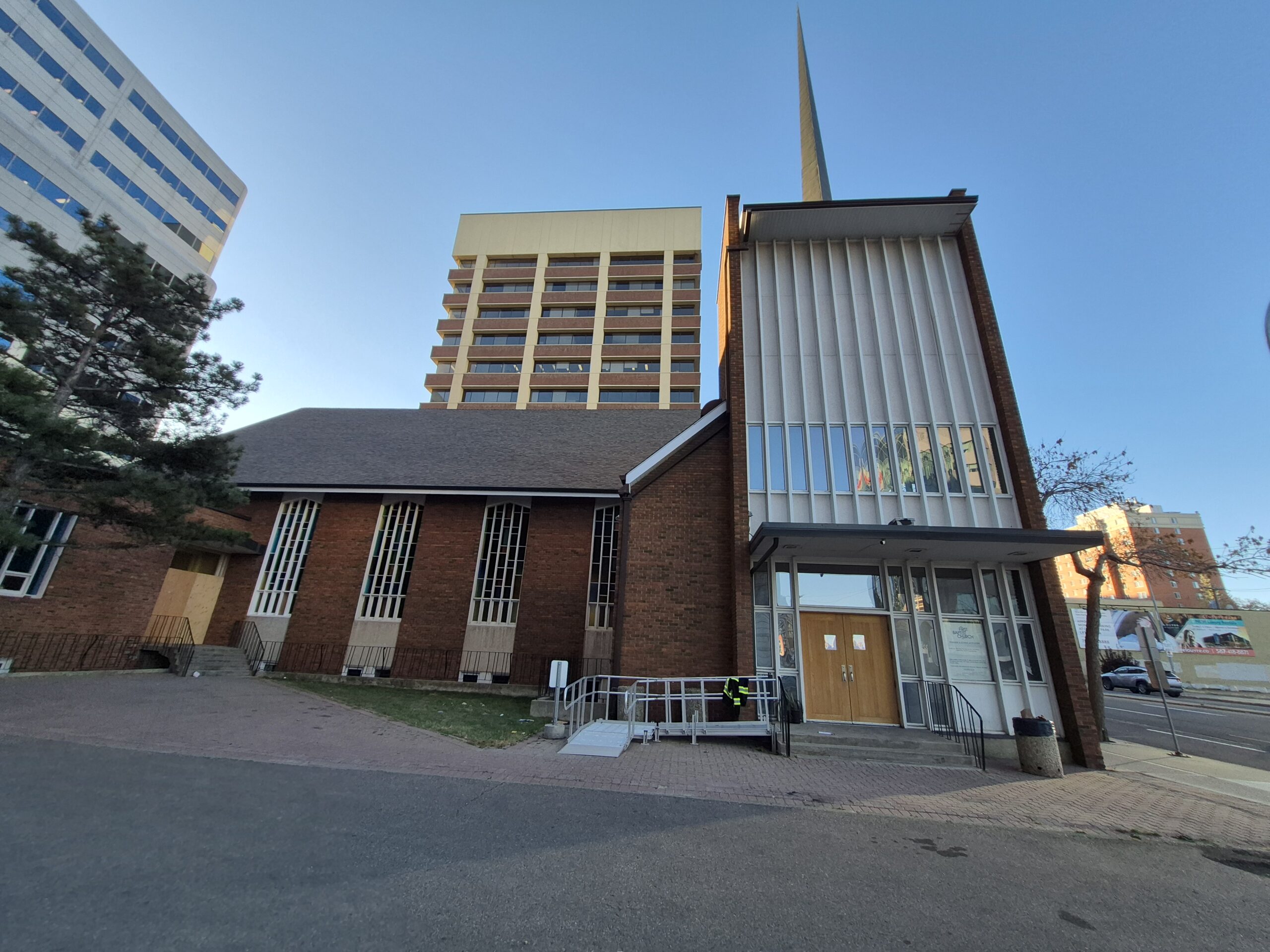
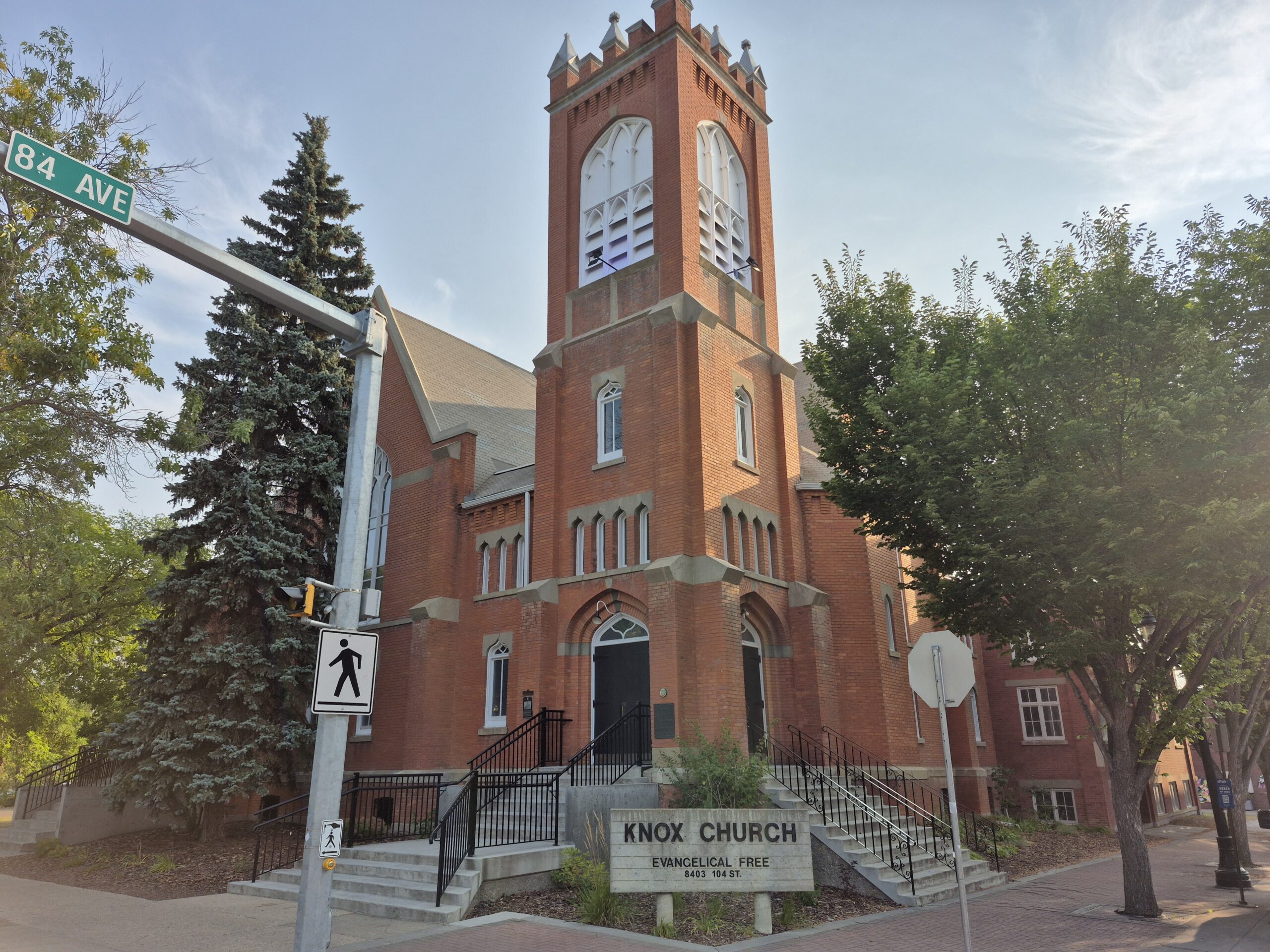
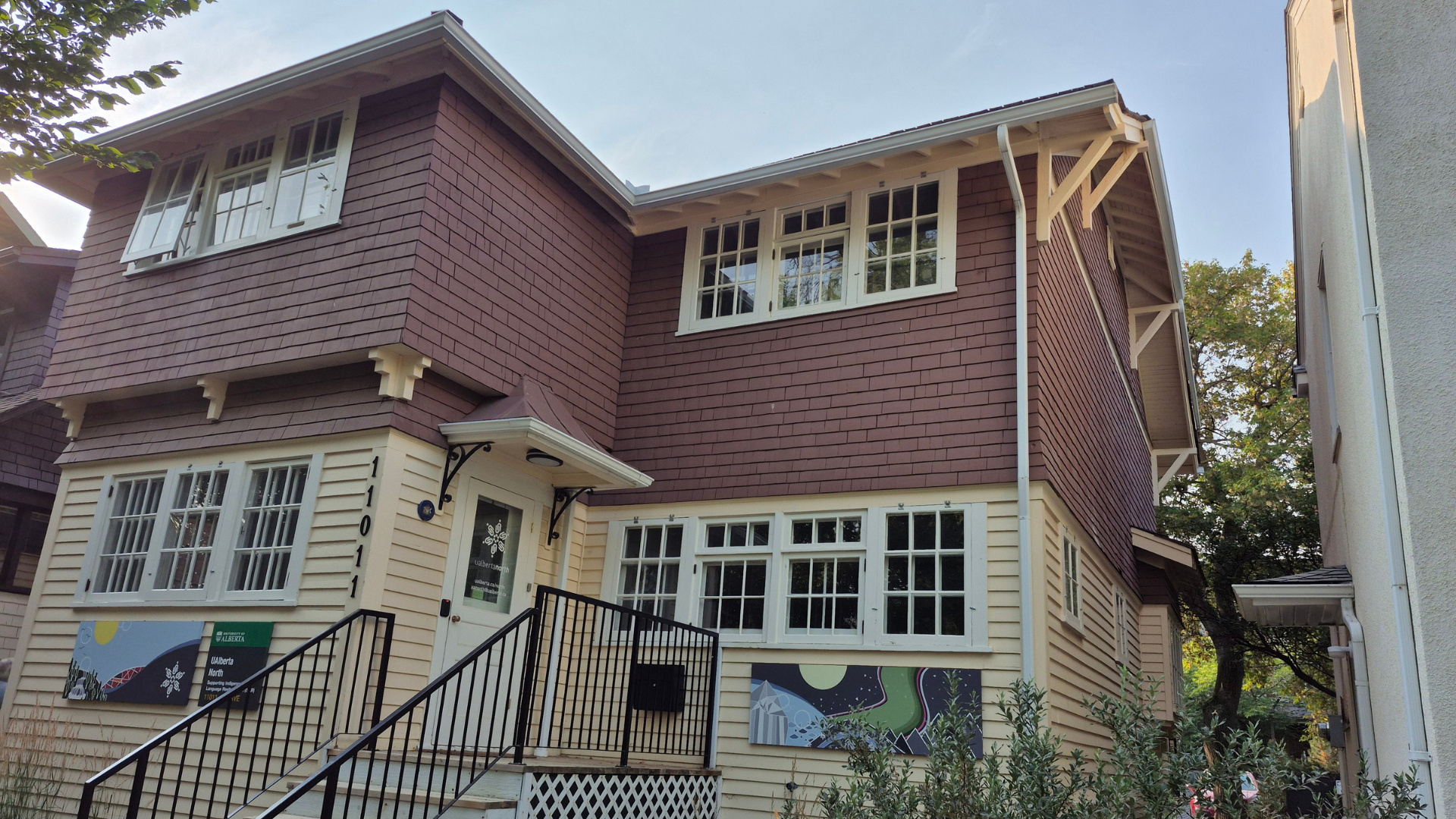
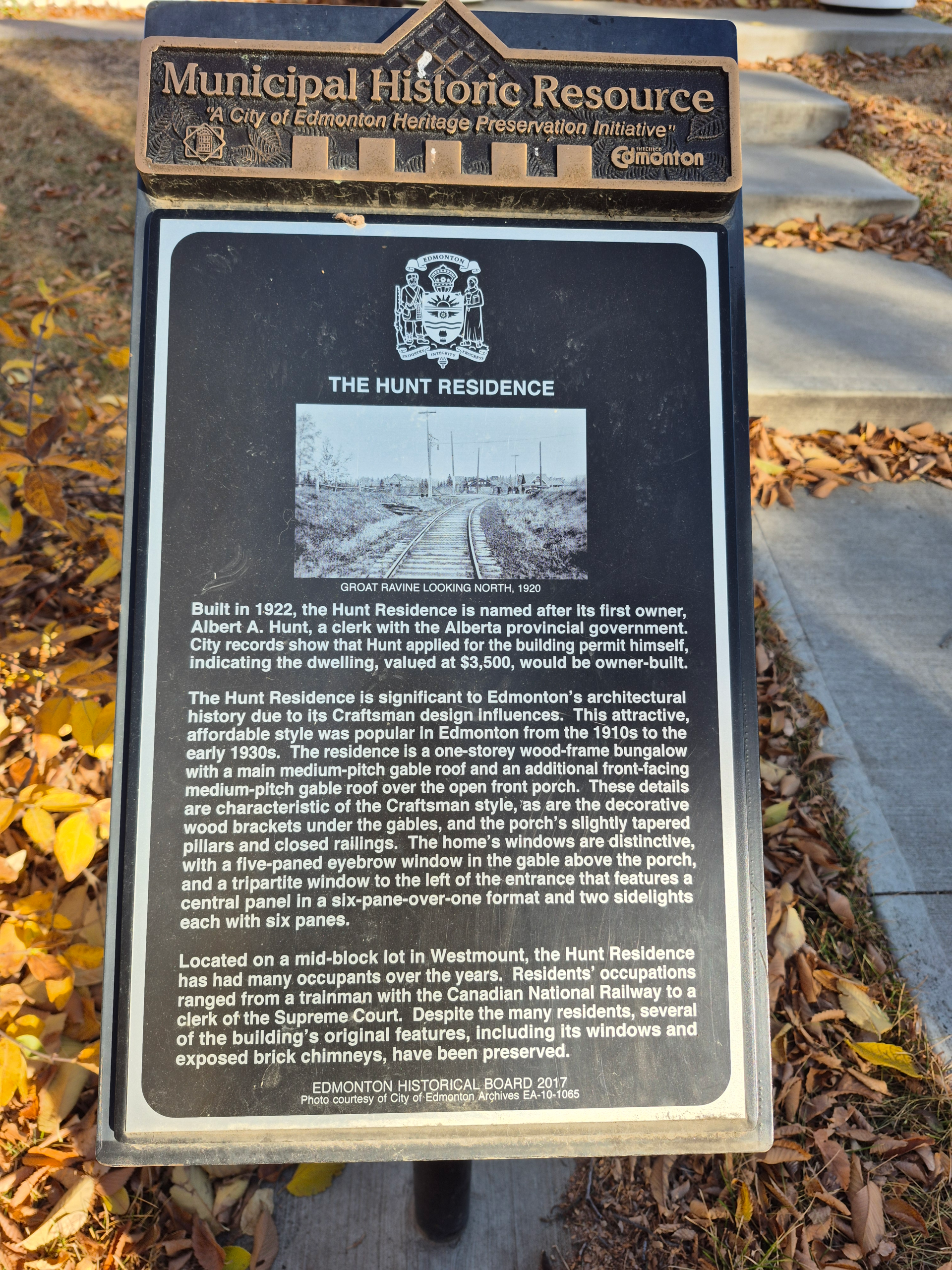
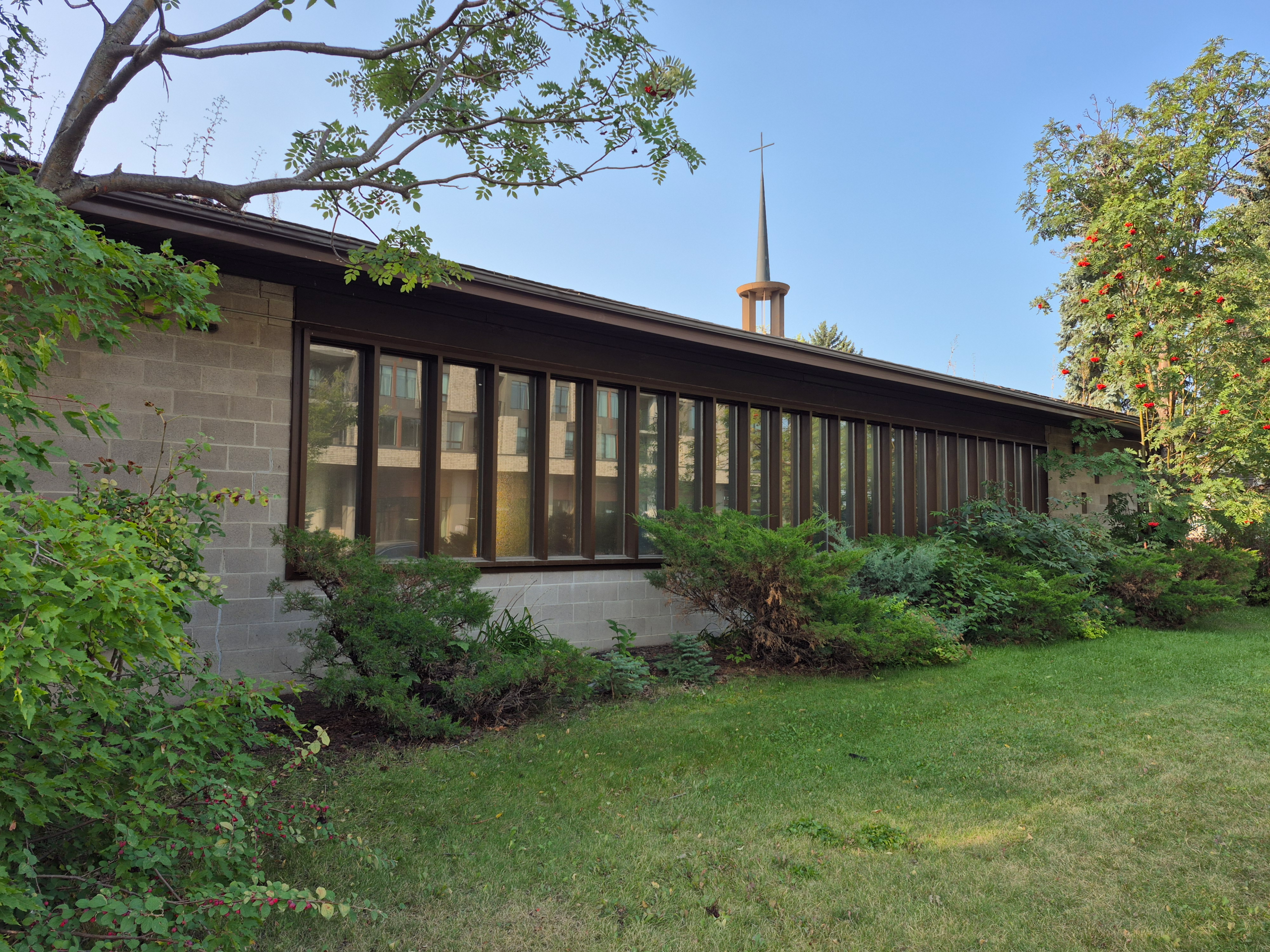
Heritage Window Restoration vs Replacement in Edmonton — Why Timing Matters
One of the most prevalent problems with heritage projects is that decisions about the scope of windows are made too late.
When decisions are made late:
- Changes in procurement timelines
- Shop drawings need to be changed.
- Processes for getting approval start over
- Changes in budget assumptions
Early evaluation allows:
- Clearly defined scope
- Realistic lead times
- Better alignment between design and construction
Restoration vs. Replacement: Making the Right Decision
One of the most important decisions in heritage building projects involves determining whether existing windows should be restored or replaced. The answer is rarely straightforward and depends on the condition of the building, project objectives, performance requirements, and heritage considerations.
Key restoration versus replacement considerations include:
- Condition of existing materials
- Feasibility of localized repairs
- Compatibility of replacement materials
- Impact on architectural character
- Long-term maintenance implications
- Energy performance objectives
- Heritage approval requirements
Many municipalities and heritage guidelines encourage retaining original materials whenever practical because existing heritage windows often contribute significantly to a building’s historic character. In many situations, restoration can improve functionality and performance while preserving original fabric and architectural details.
Replacement may become necessary when deterioration is extensive or when previous alterations have significantly compromised the original components. In these situations, carefully designed replacement heritage windows can maintain the building’s character while meeting modern performance requirements.
The evaluation process should include condition assessment reports, restoration feasibility analysis, and technical review of the existing building envelope. Early assessment allows project teams to determine the most appropriate solution before design and procurement decisions are finalized.
Managing Heritage Approvals Without Delays
The alignment of approval timelines (the time between submitting documents for approval and getting them approved) with construction sequencing (the “order” that items need to be built) impacts construction schedules.
Key considerations:
- Map approval timelines against procurement timelines.
- Ensure submissions are technically clear enough to minimize the potential for multiple submissions.
- Implement phased approval processes to avoid bottlenecks in project delivery.
Delays caused by the approval process are generally due to incomplete or late submissions
Commercial Outcomes That Matter
These outcomes are critical in construction risk management for heritage buildings. When heritage scope is handled well, the effects can be seen.
- Fewer change orders
- More predictable procurement timelines
- More clearly defined scope during the tender stage
- Less conflict over coordination
- Reduced risk of disputes
- Better control over costs
- Improved schedule reliability
- Less risk for the project
Let's Preserve Alberta's Heritage Together
Whether you’re planning a heritage restoration project for a church, university, municipal building, historic commercial property, or heritage home, Perma Seal is ready to help you preserve the craftsmanship and character that make these buildings unique.
Where Technical Input Adds Value
In heritage projects, technical input is most useful when it is applied early and focused on risk reduction rather than product selection.
This is typically relevant when:
- Scope is not fully defined
- Existing conditions are uncertain
- Procurement timelines are tight
- Heritage constraints affect design decisions
Experience with real-world project conditions can help clarify:
- What is feasible
- What is likely to change
- What should be defined before tender
How Perma Seal Supports Heritage Architects
Successful heritage projects rely on early collaboration between architects, consultants, contractors, and specialty restoration teams. Perma Seal regularly works alongside heritage architects, consultants, and project teams to provide technical input during the planning, design, and construction phases of restoration projects.
Support typically includes:
- Technical input during early design stages
- Assessment of existing heritage windows and building conditions
- Restoration feasibility analysis for historic windows and doors
- Guidance regarding material compatibility and building envelope behaviour
- Specification input for restoration-based approaches
- Coordination during mock-up reviews and construction phases
Our team assists heritage architects by providing practical information regarding existing conditions, repair options, and restoration strategies before tender documents are finalized. This early collaboration helps improve scope definition, reduce uncertainty, and support more accurate budgeting and scheduling.
Condition assessment reports and restoration feasibility analysis can help determine whether existing heritage windows can be repaired, upgraded, or partially reconstructed. These evaluations provide project teams with information that supports informed decision-making while maintaining the architectural character of the building.
As historic window restoration consultants and historic building restoration consultants, our role is not to replace the architect or consultant team but to provide technical information based on real project conditions and restoration experience.
Conclusion
Heritage scope in heritage construction Edmonton projects does not need to disrupt project delivery. Most risks are predictable and can be managed through early planning, clear scope definition, and alignment between approvals and procurement.
For developers and general contractors, the objective is not to eliminate complexity — but to control it before it affects cost and schedule.
Disclaimer
Information provided is intended as general guidance for developers, contractors, and project teams managing heritage-related scope.
Project conditions may vary, and all decisions should be evaluated based on project-specific requirements, contractual obligations, and applicable regulations.
FAQ’s
How much does heritage restoration cost?
Every restoration project is unique. Costs depend on the building’s condition, the extent of deterioration, accessibility, required materials, and the level of historical detail involved. Following a site assessment, we provide a detailed scope of work and project estimate tailored to your building.
How long does heritage restoration take?
Project timelines vary depending on the size and complexity of the restoration. Smaller projects may take several weeks, while large institutional or municipal restorations can span several months. We work closely with project teams to establish realistic schedules.
Is restoration more cost-effective than replacement?
In many cases, yes. Restoring original heritage components can preserve the building’s historical value, reduce waste, and often prove more economical over the long term than replacing custom architectural features.
Can original heritage windows meet modern energy standards?
Yes. Through careful restoration, weatherstripping, glazing improvements, and repairs, many original heritage windows can achieve significantly improved thermal performance while maintaining their historic appearance.
Do you work with architects?
Absolutely. We regularly collaborate with architects, heritage consultants, engineers, and general contractors throughout project planning, specification development, and construction.
Do you work with municipalities?
Yes. Perma Seal has experience supporting municipal heritage projects and working with heritage committees, government agencies, and public institutions on restoration initiatives.
Can you replicate missing wood components?
Yes. Our craftsmen manufacture custom replica wood windows, doors, mouldings, trim, and architectural elements that accurately match the original historic design.
Do you provide building condition assessments?
Yes. Our condition assessments help identify deterioration, restoration priorities, repair strategies, and budget considerations before construction begins.
Can you restore designated heritage buildings?
Yes. We have experience restoring designated heritage properties while respecting conservation principles, project specifications, and applicable heritage guidelines.
What wood species do you use?
Material selection depends on the original construction and project requirements. We carefully match appropriate wood species, grain patterns, profiles, and finishes to maintain historical accuracy.